

Page Under Maintenance
This page is currently under maintenance.
Please communicate at the hospital help desk for assistance.
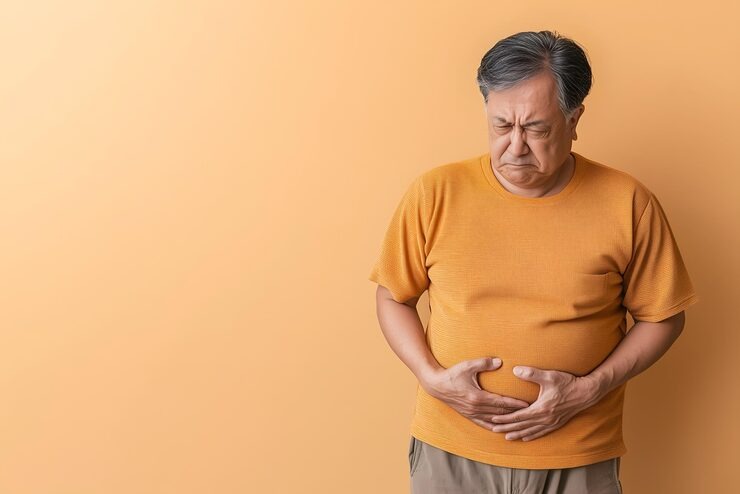
A bloated stomach and frequent bloating after eating can disrupt your daily comfort and confidence. It often feels like your stomach suddenly expands, leaving you tight, heavy, and uneasy. This happens due to digestion-related factors such as gas build-up, food intolerance, or poor eating habits. Understanding the real bloating causes can help you manage symptoms effectively and improve your digestive health over time.
A bloated stomach is not just about appearance; it is about how your digestive system reacts internally. You may feel pressure, tightness, or fullness even after a small meal. This sensation can vary from mild discomfort to noticeable swelling. Recognizing these feelings helps you identify patterns and triggers, making it easier to manage bloating effectively.
The symptoms of bloating after eating often include a swollen abdomen, tightness, and a feeling of heaviness that builds gradually. You may also notice excessive gas, burping, or a rumbling sensation in your stomach. These signs usually appear shortly after meals, especially when digestion is slow or certain foods trigger gas production. Understanding these symptoms helps you recognize early warning signs and take steps to reduce discomfort before it worsens.
Physical bloating refers to the internal sensation of pressure or fullness in the abdomen, while visual bloating is when your stomach appears visibly swollen. Some people experience both, while others may only feel discomfort without noticeable changes in appearance. This difference is important because visual bloating often indicates gas or fluid build-up, whereas physical bloating can result from digestive sensitivity or slower gut movement affecting overall digestion.
Occasional bloating is normal, but frequent or persistent bloating can indicate underlying digestive issues. If you experience bloating daily or it interferes with your routine, it may be linked to food intolerances or digestive disorders. Severe symptoms such as pain, weight loss, or vomiting should not be ignored. Monitoring patterns and identifying triggers can help determine whether lifestyle changes are enough or medical attention is required.
Bloating does not happen randomly; it is usually caused by specific digestive processes. From gas accumulation to food sensitivities, multiple factors can contribute to the feeling of fullness and discomfort. Understanding these causes allows you to address the root problem instead of just treating the symptoms.
Gas build-up is one of the most common bloating causes, occurring when food is broken down in the intestines and produces gases like hydrogen and methane. When this gas does not move properly through the digestive tract, it creates pressure and discomfort. Even normal levels of gas can cause bloating if your gut is sensitive. This is why some people feel bloated more easily than others despite similar eating habits.
Food intolerances occur when your body cannot properly digest certain substances, leading to fermentation in the gut. This process produces gas, causing bloating and discomfort. Lactose intolerance is a common example, where dairy products trigger symptoms. Similarly, gluten or certain carbohydrates may cause reactions. Identifying these sensitivities through observation or testing can help reduce bloating significantly and improve overall digestive comfort.
Eating large meals or eating too quickly can overwhelm your digestive system, leading to bloating. When you consume more food than your stomach can handle, digestion slows down, increasing gas formation. Rapid eating also causes you to swallow more air, adding to the problem. Adopting slower eating habits and controlling portion sizes can greatly reduce bloating and improve digestion efficiency over time.
Digestion plays a central role in bloating after eating because it determines how efficiently food is processed in your body. When digestion is smooth, food breaks down properly and moves through the system without issues. However, any disruption can lead to gas formation and discomfort.
Gut bacteria are essential for breaking down food, but they also produce gas as a byproduct. When you eat certain foods, especially those rich in fermentable carbohydrates, these bacteria become more active. This increased activity leads to higher gas production, causing bloating. Maintaining a balanced gut microbiome helps regulate this process and reduces excessive gas formation, improving overall digestive health.
Slow digestion allows food to remain in the digestive tract longer than necessary, increasing fermentation and gas production. Constipation further worsens the issue by trapping gas and waste in the intestines. This results in prolonged bloating and discomfort. Improving digestion through hydration, fiber balance, and physical activity can help regulate bowel movements and reduce bloating significantly.
Hormonal changes can impact digestion, particularly in women. Fluctuations in hormones can slow down gut movement, leading to bloating. These changes can also cause water retention, adding to the feeling of fullness. Understanding the hormonal link helps in managing symptoms effectively, especially during certain times when bloating tends to increase naturally.
Certain foods are more likely to cause bloating due to how they are digested. While these foods are often healthy, they can still lead to discomfort if consumed in large amounts or if your body is sensitive to them.
High-fiber foods like beans, lentils, and vegetables are beneficial for digestion but can cause bloating when consumed in excess. Fiber is fermented in the gut, producing gas as a byproduct. Increasing fiber intake gradually allows your digestive system to adapt and reduces the chances of bloating. Balancing fiber consumption is key to maintaining digestive health without discomfort.
Dairy products can trigger bloating in individuals who are lactose intolerant. When lactose is not properly digested, it ferments in the intestines, leading to gas and swelling. Symptoms may include cramps and discomfort after consuming milk, cheese, or ice cream. Switching to lactose-free alternatives can help reduce these symptoms and improve digestion.
Processed foods and those high in sugar can disrupt digestion and lead to bloating. These foods often contain additives and artificial ingredients that are difficult to break down. Sugar can also feed certain gut bacteria, increasing gas production. Reducing processed food intake can help improve digestive function and reduce bloating over time.
Managing bloating does not always require medication; simple lifestyle changes can make a big difference. By adjusting your daily habits, you can support your digestive system and reduce discomfort. Small improvements in how you eat, drink, and move throughout the day can gradually minimize symptoms. The goal is to create consistency in your routine so your digestive system functions smoothly. When these habits become part of your lifestyle, you will notice fewer episodes of bloating and improved overall gut health.
Eating slowly and chewing food thoroughly allows your digestive system to process food more efficiently and reduces unnecessary strain on your stomach. When you rush meals, you tend to swallow more air, which contributes to gas build-up and discomfort later. Taking time to chew properly also helps break down food into smaller particles, making digestion smoother. Consistent eating patterns, such as having meals at regular intervals, further support digestion and reduce the chances of experiencing a bloated feeling.
Staying properly hydrated plays a crucial role in keeping your digestive system active and balanced throughout the day. Water helps soften food and supports smoother movement through the intestines, reducing the chances of constipation and gas accumulation. Light physical activity, such as walking after meals, encourages natural digestion and helps release trapped gas effectively. When hydration and movement are combined regularly, they create a simple yet powerful routine that keeps bloating under control and improves overall digestive comfort.
Mindful eating focuses on being aware of your hunger levels and paying attention to how your body responds to food during meals. Eating smaller portions helps prevent overloading your digestive system, which can lead to discomfort and bloating. When you eat in a relaxed environment without distractions, your body processes food more efficiently. Over time, this practice helps you understand your body’s needs better and reduces unnecessary strain on your stomach, making digestion smoother and more consistent.
When bloating becomes uncomfortable, quick remedies can provide immediate relief and help you feel more at ease. These methods are designed to ease digestive pressure and encourage the release of trapped gas. While they do not replace long-term solutions, they are useful for managing sudden discomfort. Incorporating these remedies occasionally can help you handle bloating effectively, especially after heavy meals or when symptoms appear unexpectedly.
Home remedies can be highly effective in reducing bloating quickly by supporting natural digestive processes. Drinking warm water or herbal teas like ginger or peppermint helps relax the digestive tract and encourages gas movement. Gentle abdominal massage can also stimulate intestinal activity and relieve pressure. These remedies are easy to follow and can be done at home without any special preparation. When used correctly, they provide quick comfort and help restore a sense of lightness in your stomach.
Natural drinks such as ginger tea, peppermint tea, or warm lemon water are known for their soothing effects on the digestive system. These beverages help relax intestinal muscles, making it easier for trapped gas to pass through the system. Drinking them slowly enhances their effectiveness and provides a calming effect on the stomach. Regular inclusion of such drinks in your routine not only helps in relieving bloating but also supports long-term digestive health and reduces recurring discomfort.
Over-the-counter solutions are designed to provide fast relief from bloating by targeting gas build-up directly. These medications work by breaking down gas bubbles in the digestive tract, making them easier to pass. While they are effective for occasional use, relying on them frequently is not recommended. It is important to identify the underlying cause of bloating and address it through lifestyle changes. Using these solutions wisely ensures relief without creating dependency or masking deeper digestive issues.
Related: Warning Signs of Digestive Disorders You Should Not Ignore
A bloated stomach and bloating after eating are common issues that can be managed with the right approach. By understanding the causes and making simple lifestyle changes, you can reduce discomfort and improve your digestive health. Consistency in habits and awareness of triggers play a crucial role in long-term relief.
It is usually caused by gas build-up, food intolerances, or poor eating habits.
Drinking warm fluids and walking can help relieve bloating.
It is usually harmless but should be checked if persistent.