


Page Under Maintenance
This page is currently under maintenance.
Please communicate at the hospital help desk for assistance.
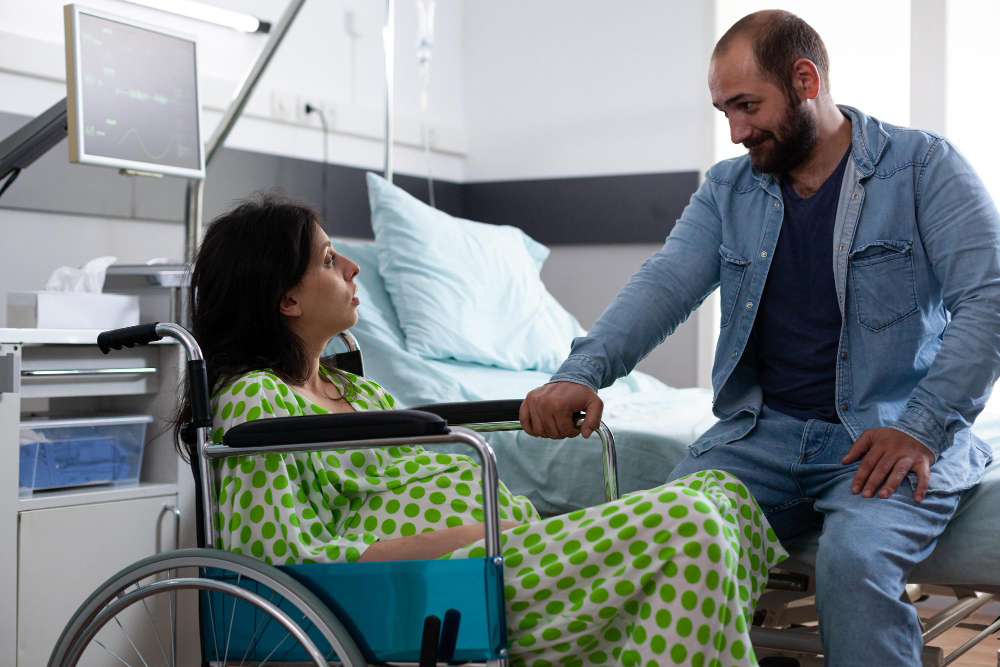
Recovery after hospital discharge depends on following your discharge plan closely, taking medicines on time, eating protein-rich meals, moving a little every day, sleeping well and attending every follow-up visit. Let’s look at how to do each one properly.
Leaving the hospital does not mean you are fully healed. It means you are stable enough to heal at home.
Your body is still repairing itself. Wounds close, muscles rebuild and energy returns slowly.
That is why the home phase is part of treatment, not a break from it.
Anyone can feel weak after a hospital stay. Some people need more support:
If you or your loved one falls in any of these groups, plan help at home before the discharge day.
Recovery begins the day you are admitted. The time it takes depends on your illness and your age.
|
Type of Treatment |
Typical Home Recovery Window* |
|
Minor surgery (e.g., hernia, gallbladder) |
2 to 4 weeks |
|
Normal delivery |
4 to 6 weeks |
|
C-section |
6 to 8 weeks |
|
Knee or hip replacement |
6 to 12 weeks |
|
Heart bypass or angioplasty |
6 to 12 weeks |
|
Pneumonia or severe infection |
2 to 6 weeks |
*These are general ranges. Your doctor will give you a timeline based on your case.
Your discharge summary lists your diagnosis, medicines, diet, activity limits and follow-up dates. Do not leave without understanding it.
Ask the nurse or doctor to explain anything unclear. Take a photo of the summary on your phone, so you always have it.
Your body needs extra protein, vitamins and fluids to repair tissue. Simple Indian meals work well.
Eat small meals every 3 to 4 hours if your appetite is low. If you have diabetes or heart or kidney disease, follow the diet your doctor gave you.
Bed rest for too long causes weak muscles, blood clots and chest infections. Doctors usually want you walking soon after treatment.
Begin with a few minutes inside your home. Add a little each day. Stop and rest if you feel dizzy, breathless or have chest pain.
If you were given physiotherapy exercises, do them daily. They are not optional.
Sleep is when your body does most of its repair work. Hospital nights are noisy, so many people come home with broken sleep patterns.
Keep it clean and dry unless told otherwise. Wash your hands before touching any dressing.
Watch for these signs: increasing redness, swelling, pus, a bad smell or fever. If you see any of them, call your doctor the same day.
Follow-up visits let your doctor check healing, adjust medicines and review test results.
Book your next visit before leaving the hospital. Carry all reports and the previous discharge summary.
Feeling low, anxious or irritable after a hospital stay is common. Many people worry about getting ill again or becoming a burden.
Talk to family. Take short walks in daylight. Listen to music or do light hobbies. If sadness or fear lasts more than two weeks or affects eating and sleep, tell your doctor.
Smoking slows wound healing and strains the lungs and heart. Alcohol can react badly with many medicines. Over-the-counter painkillers can harm the stomach and kidneys.
Check with your doctor before taking any new tablet, ayurvedic powder or supplement.
Simple changes make the home safer for someone who feels weak.
Do not wait and watch if you notice any of these:
For chest pain, severe breathlessness or fainting, call an ambulance or go to the nearest emergency department immediately.
Follow-up care is easier when the hospital offers:
Jaslok Hospital on Peddar Road provides specialist consultations, diagnostics and emergency services. Having consultations, tests and emergency care at one centre can make it easier to follow a recovery plan.
Always confirm current services, doctor availability and appointment timings directly with the hospital.
The information on this page is general and does not replace advice from your treating doctor. Recovery time, diet and activity limits differ from person to person, depending on the illness, the procedure, age and other health conditions.
Complications can occur even when the discharge plan is followed. These include wound infection, bleeding, blood clots, breathing problems and side effects of medicines. Some conditions, such as diabetes and heart or kidney disease, need specific diet and activity instructions from your doctor.
Print this or save it on your phone:
Relevant Blog : Understanding Blood Tests: Decoding Your Health Report
Follow your discharge instructions, take medicines on time, eat enough protein, walk daily as advised, sleep well and attend all follow-up visits.
It depends on your condition. Minor procedures may take 2 to 4 weeks, while major surgeries can take 6 to 12 weeks or more. Your doctor will give a realistic timeline.
Protein-rich foods such as dal, eggs, fish, paneer and curd help repair tissue. Fruits, vegetables and whole grains provide vitamins and fibre. Drink plenty of fluids unless restricted.
Go immediately if you have high fever, chest pain, breathlessness, heavy bleeding, wound pus, severe pain or sudden confusion.