Page Under Maintenance
This page is currently under maintenance.
Please communicate at the hospital help desk for assistance.
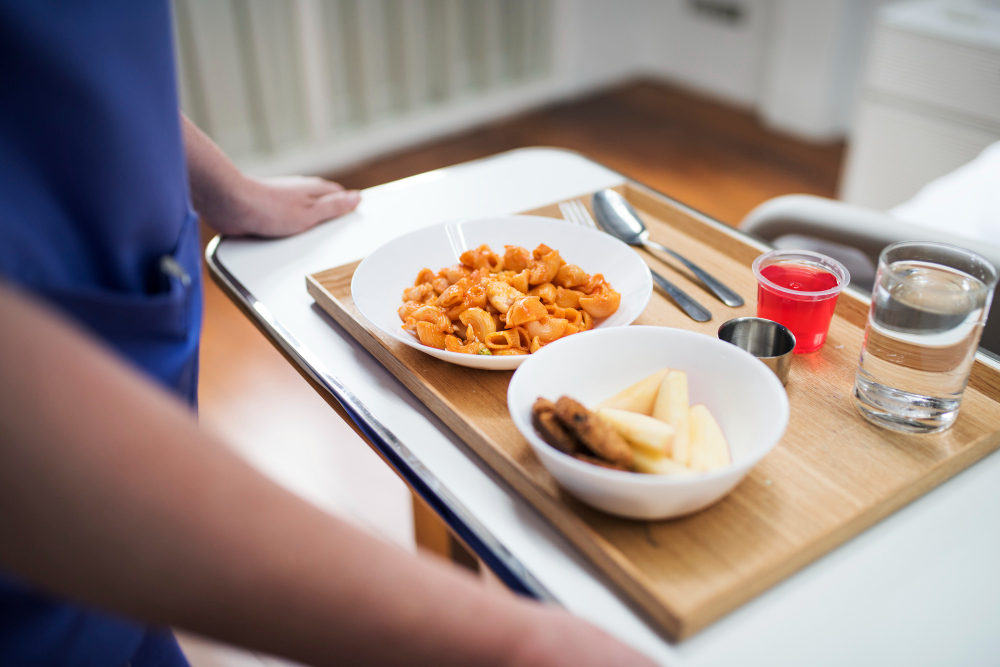
During a medical emergency, avoid giving the patient any food or drink until a doctor says it is safe. Even water can be dangerous if the person is confused, drowsy, choking, or having a seizure. If someone needs urgent care, call an ambulance and take them to an accident and emergency hospital in Mumbai as quickly as possible. Keep their mouth empty and tell the doctors exactly what they ate or drank last.
The rest of this guide explains why, and what to do instead.
Most people want to help by offering water, tea, or something sweet. It feels kind. But in an emergency, the body does not work normally.
Here is what can go wrong:
Do not offer anything by mouth to these people:
For these patients, even a sip can go wrong. Keep them still and safe, and focus on getting them to care.
The answer changes slightly depending on what is happening. This table covers the common cases.
|
Emergency |
Avoid |
Why |
|
Heart attack or chest pain |
Heavy, oily meals; tea, coffee, energy drinks; alcohol |
Caffeine and heavy food strain the heart and may delay treatment |
|
Stroke |
All food and water |
Swallowing muscles may be weak, raising choking risk |
|
Road accident or fracture |
Any food or drink |
Surgery or anaesthesia may be needed |
|
Head injury |
Alcohol, food, fluids |
Can cause vomiting and hide worsening symptoms |
|
Poisoning or overdose |
Milk, salt water, home remedies; do not induce vomiting |
Can speed up absorption or cause more damage |
|
Severe abdominal pain |
Spicy, fried food; milk; painkillers on an empty stomach |
May worsen appendicitis, ulcers, or gallbladder problems |
|
Heatstroke |
Alcohol, sugary soft drinks, hot tea |
They dehydrate the body further |
|
Severe allergic reaction |
The trigger food, plus all other food and drink |
Swallowing may become difficult as the throat swells |
|
Severe diarrhoea or vomiting |
Fizzy drinks, packaged juice, milk, fried food |
Sugar and fat make dehydration worse |
Do not give a meal, tea, or a cold drink. Many people also reach for a glass of water to “settle” the pain. If a doctor has already told the patient to chew aspirin for such emergencies, follow that advice. Otherwise, do not guess. Keep the patient seated, loosen tight clothes, and get emergency help quickly.
Time matters here, and so does an empty mouth. A stroke patient may look awake but still be unable to swallow safely. Water can go straight into the lungs. Note the time symptoms started and leave the rest to the emergency team.
Never force vomiting. Never give milk, salt water, or ghee. These old home remedies are popular in many households, but they can make things worse. Keep the container or packet and take it to the hospital.
In Mumbai’s humid months, this is common. If the person is fully awake, small sips of plain water or ORS (oral rehydration solution) help. Avoid cola, packaged juice, alcohol, and strong tea. They pull more water out of the body.
Some drinks seem harmless but can affect treatment.
If someone has chest pain, severe abdominal pain, or a serious injury, doctors may need to operate or sedate the patient. In that case, fasting rules apply even before you reach the hospital.
Skip these:
Doctors often ask, “When did you last eat?” Answer honestly and be exact. “Around 2 pm, a plate of poha and a cup of chai” is far more useful than “some time ago.”
Do not wait and watch if you see any of these signs:
In these cases, call 108 (Maharashtra’s emergency ambulance number) or 112. Then take the patient to the nearest hospital with an accident and emergency department.
Look for a hospital with a 24x7 emergency department, trauma and cardiac care, diagnostics, and an ICU. Jaslok Hospital is located on Peddar Road in South Mumbai and provides urgent and critical care. Plan in advance. Save the hospital address and the emergency contact in your phone, and share them with your family. In a real emergency, nobody wants to search for a route.
Here is what you can do right now:
Do not put anything in the mouth of a person having a seizure, and do not give a conscious but vomiting patient anything extra.
Diabetes. Low blood sugar can cause shaking, sweating, and confusion. If the person is fully awake and able to swallow, a small amount of sugar, glucose powder, or juice may help. If they are drowsy or unresponsive, give nothing by mouth. Call for help.
Children. Never give a young child water or food if they are drowsy, vomiting repeatedly, or having a fit. Avoid giving over-the-counter syrups without medical advice.
Older adults. Swallowing problems are common with age. A sip that seems harmless can trigger choking. Be extra careful.
Pregnant women. Emergency signs such as bleeding, severe pain, or reduced baby movement need immediate care. Avoid giving food or drink if the woman is in severe pain or may need an urgent procedure.
Prepare early. Keep an emergency card in your wallet that lists blood group, allergies, current medicines, and chronic illnesses. Teach your family the “nothing by mouth” rule. Save the address of the nearest hospital in Mumbai in your phone, along with ambulance numbers. A clear plan helps the family act quickly when an emergency happens.
Giving food, drink, or medicines to a person in an emergency can cause choking, vomiting, or delays in treatment. Needs differ with age, medical conditions, and the medicines a person takes, so this general information may not apply to every situation. This guide is for education only and does not replace assessment by a doctor. If you are unsure what to do, call an emergency number and follow the instructions of the emergency team.
Relevant Blog : How to Stay Calm and Act Fast in a Medical Emergency
No. Skip it unless the doctor on call tells you otherwise. Keep the person seated and get emergency help immediately.
Everything. Doctors usually need an empty stomach to avoid vomiting under anaesthesia. Tell the team what and when the patient last ate.
Only to a fully awake person who can swallow, and only in small sips for dehydration. Never to someone unconscious or choking.
No. Milk is not a reliable antidote and may cause harm. Take the poison container to the hospital.