
Page Under Maintenance
This page is currently under maintenance.
Please communicate at the hospital help desk for assistance.
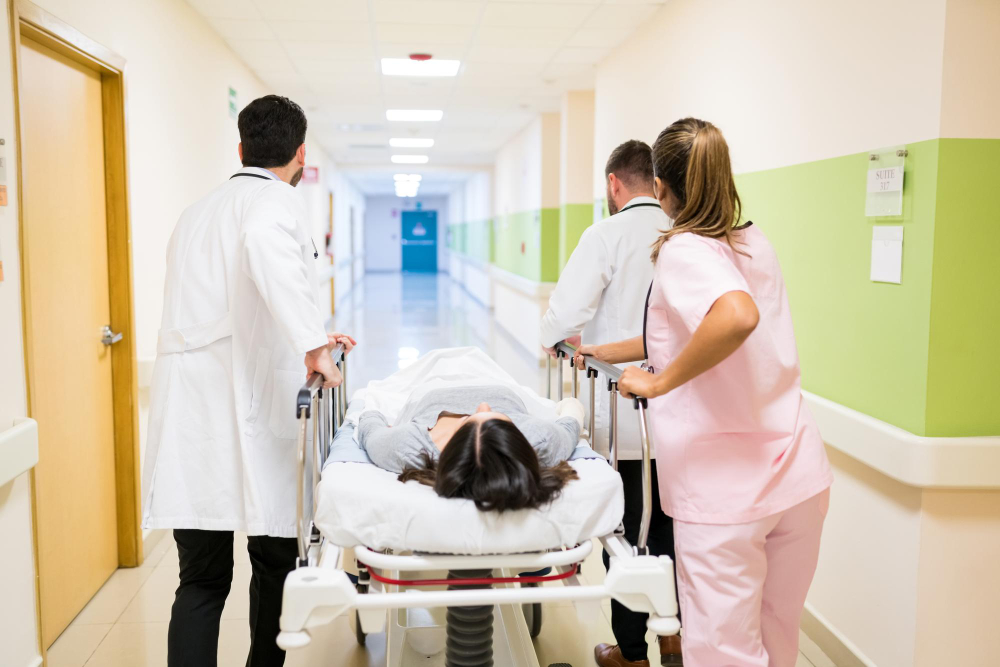
Medical crises strike suddenly and unexpectedly. In the aftermath of a sudden collapse, severe injury, allergic reaction, or any health crisis demanding immediate attention, every moment counts. In such situations, remaining calm is not just an emotional response; it’s a crucial skill for saving lives. With a clear mind, you can make the right decisions, take quick action, and assist the person in need before professionals arrive.
This comprehensive manual clarifies how to remain composed, which actions to follow, and how to manage various emergencies with effectiveness and assurance.
Panic is a normal response when someone is hurt or unexpectedly ill. However, panic can exacerbate the problem, cause confusion, and delay action. A cool-headed, collected approach benefits you:
In short, calmness helps save lives. It gives you the ability to act quickly rather than slowly.
Take a moment to comprehend what has transpired before hurrying to assist. Both you and the victim are protected by this quick evaluation.
Look around for immediate threats such as:
If the environment is dangerous, move to a safer spot before offering help.
Notice:
Your actions will depend on this initial observation.
Dial your local emergency number without delay. The earlier you call, the faster help arrives.
When talking to the emergency operator:
Do not hang up until told to do so.
You can rapidly ascertain what kind of assistance the person requires by using the first aid ABC procedures.
Make sure there is no obstruction in the airway. To clear their airway if they are unconscious, gently tilt their head back.
Check for breathing motions on their chest by placing your ear close to their lips and nose.
If they are not breathing, be ready to start CPR.
Look for circulation indicators like a pulse, movement, or coughing.
Apply pressure right away to stop any significant bleeding.
If the person is unresponsive and not breathing, CPR can be life-saving.
Basic CPR involves:
Continue performing chest compressions until medical assistance arrives if you are untrained. Additionally, a lot of emergency operators give you guidance in real time.
Excessive blood loss from cuts, wounds, or accidents can be lethal.
If there’s something embedded in the wound (like glass or a metal object), do not pull it out. Call emergency services and stabilize the object instead.
If you suspect a bone fracture:
Moving a fractured area incorrectly can worsen the injury.
An emergency arises when someone is choking because they are unable to breathe.
Stay prepared to call emergency services if breathing does not resume.
If someone has a seizure:
Call emergency services if the seizure lasts longer than 5 minutes or if it’s the person’s first seizure.
The patient's emotional and psychological state can be significantly impacted by your tone and actions.
Reassurance reduces panic and prevents shock.
Many well-meaning actions can inadvertently exacerbate the situation. Steer clear of these errors:
Your calm, quick thinking matters.
Being psychologically prepared makes it simpler to remain composed under pressure.
Preparation reduces fear and increases your ability to act effectively.
Every household should have a simple, clear plan that includes:
This ensures everyone knows what to do during critical moments.
Despite the overwhelming nature of medical emergencies, maintaining composure and taking prompt action can save lives. Assessing the situation, requesting assistance, administering necessary first aid, avoiding typical errors, and providing the patient with emotional support are all crucial. With the correct information and a clear head, you can transform anxiety into quick, efficient action.
Investing time in first aid training and preparedness guarantees that you are prepared for unforeseen circumstances, protecting not only your loved ones but also strangers who could want quick assistance.
Every second matters during a medical emergency at Jaslok Hospital. Jaslok guarantees that patients receive prompt, accurate, and compassionate care when it matters most, thanks to its top-notch emergency care unit, skilled doctors on call around the clock, and cutting-edge life-saving equipment. Jaslok Hospital is a reputable source of hope, healing, and skilled medical excellence in Mumbai, regardless of a serious accident, unexpected illness, or any other urgent health issue.