

Page Under Maintenance
This page is currently under maintenance.
Please communicate at the hospital help desk for assistance.
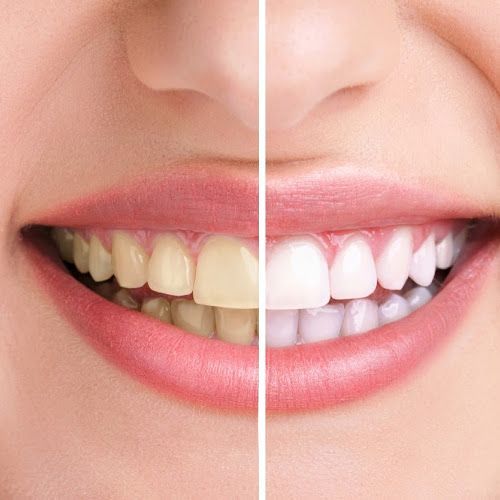
Teeth whitening is a popular cosmetic dental procedure designed to lighten the shade of teeth and remove stains and discoloration. Over time, teeth can become stained or yellowed due to aging, tobacco use, consumption of certain foods and beverages (like coffee, tea, and red wine), and poor oral hygiene.
Extrinsic Stains: These affect the outer surface of the teeth. They are primarily caused by food, drinks, and smoking, and are generally easier to remove with regular dental cleanings and whitening toothpastes.
Intrinsic Stains: These occur on the inner structure of the tooth (dentin). They can result from trauma, aging, certain medications (such as tetracycline use during tooth development), or excessive fluoride exposure during childhood. These typically require professional bleaching treatments.
How it works: Performed by a dentist, this method uses high-concentration bleaching agents (often hydrogen peroxide), sometimes activated by a specialized curing light or laser.
Benefits: Delivers dramatic results in a single visit, typically lasting about an hour, and is monitored closely by a dental professional to protect gums and soft tissues.
How it works: Your dentist takes impressions of your teeth to create custom-fitting plastic trays. You fill these trays with a professional-grade whitening gel and wear them for a specified duration daily over a couple of weeks.
Benefits: Offers a balance of professional supervision and the convenience of treating teeth in the comfort of your home.
Options: Whitening strips, gels, rinses, and whitening toothpastes available at retail stores.
Considerations: These contain lower concentrations of bleaching agents and mild abrasives. They are cost-effective for minor surface stains but generally take longer to show results and may not alter the baseline color significantly.
Tooth Sensitivity: A temporary increase in sensitivity to hot or cold temperatures is common during or immediately after treatment.
Gum Irritation: Contact between the whitening gel and the gums can cause temporary irritation or a mild burning sensation.
To prolong the effects of a whitening treatment:
Practice good oral hygiene by brushing twice daily and flossing regularly.
Limit consumption of stain-causing foods and beverages (e.g., coffee, tea, dark berries, red wine).
Use a straw when drinking pigmented beverages to minimize contact with your teeth.
Consider periodic touch-ups as recommended by your dental professional.