
Page Under Maintenance
This page is currently under maintenance.
Please communicate at the hospital help desk for assistance.
Prosthodontics is one of the nine dental specialties recognized by the American Dental Association (ADA). It is the branch of dentistry dedicated to the restoration and replacement of missing or damaged teeth, focusing heavily on dental aesthetics, comfort, and the overall functional health of your bite.
While general dentists handle routine fillings and cleanings, a prosthodontist undergoes three additional years of rigorous, specialized university training after dental school, making them the "architects" of complex dental rehabilitation.
Prosthodontists specialize in complex cases that require restoring a natural look and feel to a severely compromised mouth. This includes:
Missing Teeth: Replacing anywhere from a single missing tooth to a complete set of upper and lower teeth.
Worn-Down Teeth: Restoring teeth severely eroded by grinding (bruxism), acid reflux, or aging.
Jaw Joint Disorders (TMD): Diagnosing and treating problems with the temporomandibular joint and bite alignment.
Maxillofacial Defects: Rebuilding facial structures missing due to trauma, congenital defects, or cancer surgery (e.g., obturators for the palate).
Prosthodontics is divided into both fixed (permanent) and removable solutions:
Fixed Prosthetics:
Dental Implants: Permanent titanium roots and crowns that replace missing teeth.
Crowns ("Caps"): Custom covers that encase a damaged tooth to restore its strength and shape.
Bridges: Fixed structures that "bridge" a gap by anchoring to neighboring teeth or implants.
Veneers: Ultra-thin porcelain shells placed over the front of teeth for cosmetic enhancement.
Removable Prosthetics:
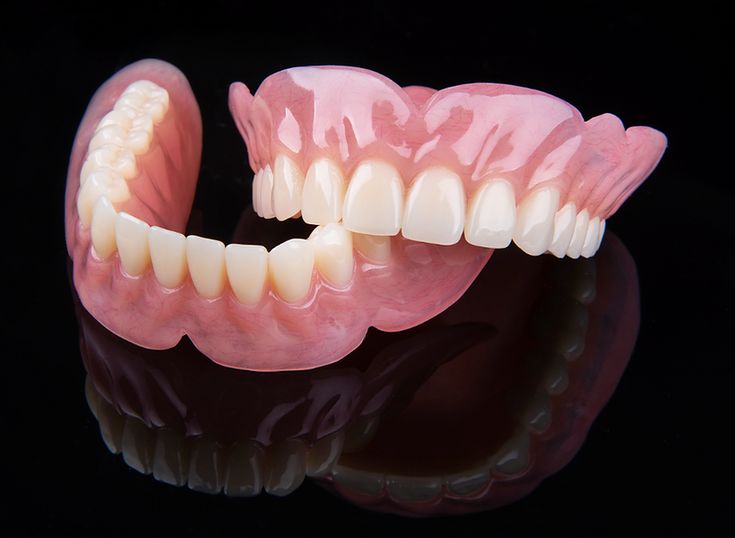
Complete Dentures: Traditional removable replacements for a full arch of missing teeth.
Removable Partial Dentures: Devices that clip onto remaining teeth to fill in gaps.
Overdentures: Removable dentures that snap securely onto dental implants for extra stability.
You might be referred to a prosthodontist if you have a complex dental history or specific functional needs:
You are missing multiple teeth and want a permanent solution like fixed arches (e.g., All-on-4).
Your bite feels "off," causing jaw pain, headaches, or accelerated wear on your teeth.
Previous dental work (like crowns or bridges) has failed, broken, or looks unnatural.
You find traditional dentures loose, uncomfortable, or difficult to eat with.
Comprehensive Digital Assessment: Utilizing 3D CBCT scans, digital impressions, and bite-mapping technology to analyze your jaw structure and muscle function.
Treatment Planning: Designing a step-by-step master plan that often coordinates various specialists (like periodontists or oral surgeons) if bone grafts or extractions are needed.
Provisional Phase (Temporaries): Providing temporary teeth that mimic the final result, allowing you to test out the new bite, appearance, and comfort before the permanent prosthetics are made.
Final Restoration: Crafting and placing the custom-milled ceramic, zirconia, or titanium restorations with micron-level precision.
Mastery of Aesthetics & Function: Prosthodontists are trained to look at the "big picture"—balancing how your teeth look with how they fit together when you chew and speak.
Longevity: Because of their advanced training in materials science and biomechanics, prosthodontists use techniques and materials designed to withstand the heavy forces of a human bite for decades.
Complex Problem Solving: They excel at turning seemingly "hopeless" dental situations into healthy, functional, and radiant smiles.