

Page Under Maintenance
This page is currently under maintenance.
Please communicate at the hospital help desk for assistance.
Orthodontics & Clear Aligners represent the specialized branch of dentistry focused on diagnosing, preventing, and correcting misaligned teeth and jaws (malocclusions) [61, 63]. While traditional metal braces have been the standard for decades, modern orthodontic innovations—most notably clear aligners like Invisalign—have revolutionized how patients achieve a straight, harmonious smile discreetly and comfortably [62, 64].
Orthodontics goes far beyond aesthetics. Crooked teeth, crowded arches, or a misaligned bite (overbite, underbite, crossbite) can lead to uneven wear, jaw joint disorders (TMD), and make teeth significantly harder to clean, increasing the risk of decay and gum disease [61, 63].
Orthodontic treatment applies continuous, gentle pressure over time to safely shift teeth within the jawbone, prompting the bone to remodel around the new root positions [62, 65].
Traditional Braces: Consist of metal or ceramic brackets bonded to the teeth, connected by an archwire that the orthodontist adjusts periodically. They remain the gold standard for complex, severe skeletal or rotational misalignments [61, 64].
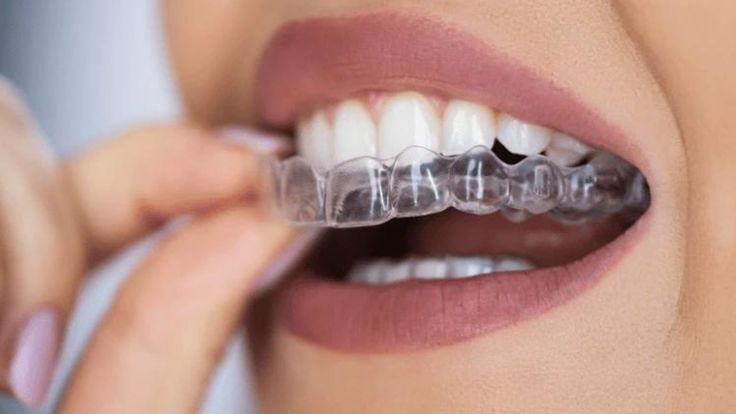
Clear Aligners: A series of custom-molded, medical-grade transparent plastic trays that fit snugly over your teeth. Each tray moves your teeth a fraction of a millimeter, and you progress to a new set every 1 to 2 weeks [62, 63].
Virtually Invisible: Made of smooth, transparent plastic, aligners are discreet enough that most people won't notice you are undergoing treatment [62, 64].
Removable Convenience: You take the trays out to eat, drink anything other than water, brush, and floss. This means no dietary restrictions (no banned sticky or hard foods) and much easier hygiene maintenance [62, 63].
Enhanced Comfort: Smooth plastic eliminates the irritation, scrapes, and mouth sores commonly caused by metal brackets and wires [64, 65].
Fewer Emergency Visits: No loose wires or broken brackets means fewer unscheduled trips to the orthodontist [63, 64].
Digital 3D Scan & Consultation: An orthodontist takes a precise 3D digital scan of your teeth (eliminating messy physical molds) to map out your entire treatment journey [61, 65].
Virtual Treatment Plan: Using advanced software, your orthodontist simulates the step-by-step movement of your teeth, allowing you to preview your final smile before treatment even begins [62, 65].
Wearing the Aligners: You wear each set of custom trays for 20 to 22 hours a day, removing them only to eat and clean your teeth [62, 63].
Progress Checks: Periodic check-ins (every 6 to 8 weeks) allow the orthodontist to monitor progress and hand over your next batches of aligners [61, 64].
Retention: Once active treatment is complete, custom retainers (fixed or removable) must be worn—especially at night—to prevent teeth from shifting back to their original positions [61, 65].
Crowding: Teeth overlap due to a lack of space in the jaw [61, 63].
Spacing (Diastema): Noticeable gaps between teeth [62, 64].
Overbite & Underbite: Upper teeth protrude too far over lower teeth, or vice versa [61, 63].
Crossbite: Upper and lower jaws do not align properly, causing one or more upper teeth to bite on the inside of the lower teeth [61, 64].