
Page Under Maintenance
This page is currently under maintenance.
Please communicate at the hospital help desk for assistance.
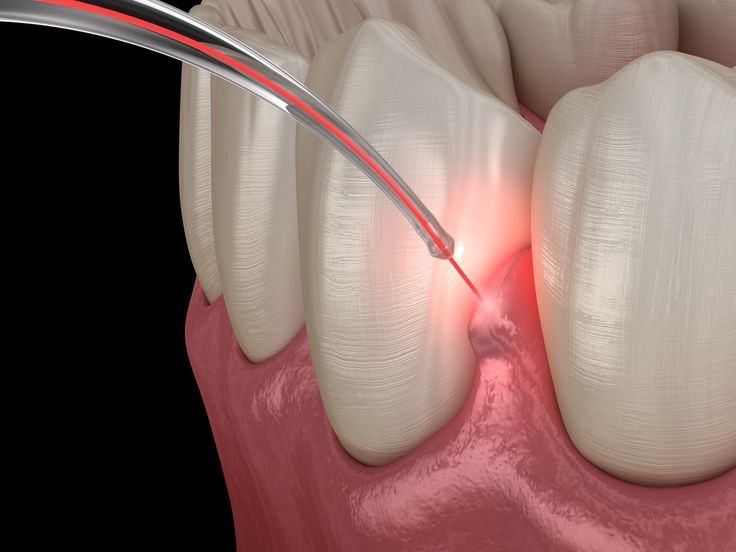
Laser Dentistry utilizes concentrated beams of light energy to treat a variety of dental hard and soft tissues. By replacing or complementing traditional instruments like scalpels and high-pitched drills, lasers offer a quieter, more precise, and remarkably more comfortable dental experience.
Hard Tissue Lasers: Designed to absorb water and specific minerals found in teeth. They are used to cut through tooth enamel, shape teeth for composites, fix fillings, and detect early cavities.
Soft Tissue Lasers: Absorbed by water and hemoglobin (blood), making them ideal for managing gums and other oral mucosa. They cleanly vaporize tissue while instantly sealing blood vessels and nerve endings.
Cavity Detection & Removal: Low-intensity lasers can spot early decay, and hard-tissue lasers can remove decay often without requiring a local anesthetic injection or the dreaded dental drill.
Gum Reshaping ("Gummy Smile"): Sculpting uneven or excess gum tissue with pinpoint accuracy to expose a healthier tooth structure.
Periodontal (Gum) Therapy: Killing deep-seated bacteria and removing inflamed tissue from periodontal pockets without cutting the gums with a scalpel.
Teeth Whitening: Acting as an "activator" beam to accelerate the chemical bleaching gel applied by your dentist, drastically shortening chair time.
Treating Hypersensitivity: Sealing microscopic tubules on tooth roots that cause sharp pain when consuming hot or cold foods.
Lesion & Sore Removal: Painlessly treating canker sores, cold sores, or performing quick, stitch-free soft tissue biopsies.
Reduced Anxiety: Eliminates the vibration, heat, and high-pitched whine of the traditional turbine drill, making it a favorite for anxious patients.
Fewer Needles & Stitches: Many soft-tissue procedures require no sutures, and minor hard-tissue treatments require little to no local anesthesia.
Minimized Bleeding & Swelling: Because the laser instantly clots (coagulates) blood vessels as it cuts, bleeding is significantly reduced.
Built-In Sterilization: The high-energy light beam sterilizes the target area on contact, heavily lowering the risk of bacterial infection.
Faster Healing: Less trauma to surrounding healthy tissue translates to a quicker, more comfortable recovery.
Note: While lasers have revolutionized modern clinics, they do not entirely replace traditional tools. For instance, they cannot be used on teeth with existing metal amalgam fillings, and traditional instruments are still needed for certain structural adjustments.