

Page Under Maintenance
This page is currently under maintenance.
Please communicate at the hospital help desk for assistance.
Gum & Periodontal Treatment focuses on the health of the gums and the supporting bone structures that anchor your teeth in place [121, 122]. While traditional dentistry often centers on the teeth themselves, periodontics addresses the foundation. Healthy gums are essential not only for a firm smile but also because chronic gum inflammation is closely linked to systemic health issues like diabetes and cardiovascular disease [123, 124].
Gum disease generally progresses in two main stages:
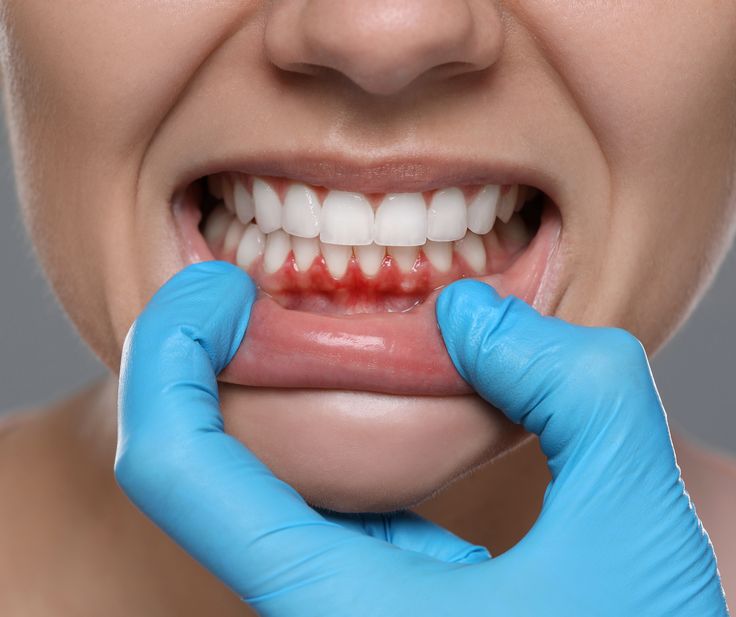
Gingivitis (Reversible): The early stage caused by plaque buildup. Gums become red, swollen, and bleed easily during brushing. Because the bone has not yet been affected, gingivitis is entirely reversible with professional cleanings and good home care [121, 125].
Periodontitis (Advanced): If left untreated, gingivitis advances into periodontitis. Plaque hardens into tartar (calculus) below the gumline, causing the gums to pull away from the teeth and form deep pockets that trap bacteria. Over time, the body’s immune response and bacterial toxins destroy the underlying jawbone, eventually leading to loose teeth and tooth loss [122, 125].
Bleeding gums when brushing or flossing [121, 124].
Persistent bad halitosis (bad breath) or a bad taste in the mouth [124, 125].
Red, swollen, or tender gums [121, 124].
Gums that are pulling away from the teeth (recession), making teeth look longer [122, 125].
Loose or shifting teeth, or a change in how your bite feels [122, 123].
Pus visible between the teeth and gums [125].
Scaling and Root Planing (Deep Cleaning): A meticulous two-step procedure. Scaling scrapes away plaque and tartar from above and below the gumline. Root planing smooths out the rough spots on the tooth roots, making it harder for bacteria to reattach and allowing the gums to re-adhere to the tooth [122, 125].
Laser Periodontal Therapy: Utilizing specialized soft-tissue lasers to vaporize bacteria and diseased tissue within periodontal pockets with minimal discomfort [121, 124].
Flap Surgery (Pocket Reduction): The gums are gently lifted back to allow deep cleaning of the roots and removal of severe tartar before the tissue is secured snugly around the tooth to reduce pocket depth [123, 125].
Bone and Tissue Grafts: If periodontitis has destroyed supporting bone or gum tissue, synthetic bone or donor tissue can be grafted to regenerate lost structures and stabilize teeth [122, 123].
Periodontal Charting: A specialized probe measures the depth of the spaces (pockets) between your teeth and gums. Pockets deeper than 3–4 millimeters typically indicate periodontitis [122, 125].
Diagnostic Imaging: Dental X-rays are taken to assess the exact level of bone loss around the roots [123, 125].
Active Therapy: Performing scaling and root planing (often broken into quadrants with local anesthesia for patient comfort) or planning advanced surgical interventions [122, 125].
Maintenance Phase: Once active disease is controlled, patients transition to regular periodontal maintenance cleanings every 3 to 4 months to prevent bacteria from recolonizing deep pockets [121, 123].
Stops Tooth Loss: Secures loose teeth by halting the destruction of the underlying jawbone [122, 125].
Freshens Breath: Eliminates the deep-seated bacterial colonies responsible for chronic bad breath [124, 125].
Protects Systemic Health: Reduces systemic inflammation, which supports better management of conditions like diabetes and lowers cardiovascular risks [123, 124].