
Page Under Maintenance
This page is currently under maintenance.
Please communicate at the hospital help desk for assistance.
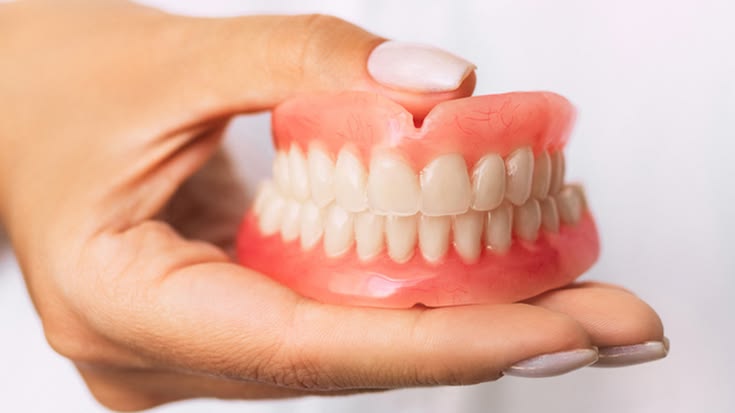
Full-Mouth Rehabilitation (also known as full-mouth reconstruction or restoration) is the comprehensive, coordinated rebuilding or replacing of all the teeth in both the upper and lower jaws. It is the ultimate synthesis of restorative dentistry, periodontics, prosthodontics, and orthodontics.
While a standard crown fixes one tooth and a bridge fixes a few, a full-mouth rehabilitation restores the entire stomatognathic system—harmonizing your teeth, gums, supporting bone, and jaw joints (TMJ) into a unified, balanced state of health and function.
Patients requiring a full-mouth rehab usually present with widespread, complex dental destruction that cannot be fixed with isolated treatments. Common signs include:
Severe Tooth Wear: Teeth worn down to the gumline due to chronic grinding (bruxism) or acid erosion.
Multiple Missing Teeth: Widespread gaps across upper and lower arches that collapse bite vertical dimension.
Advanced Periodontal Disease: Extensive bone loss and loose teeth requiring simultaneous gum therapy, extractions, and structural replacement.
Chronic TMJ Disorders & Bite Collapse: Severe jaw pain, clicking, headaches, and muscle fatigue caused by an improper, collapsed bite.
Congenital Deficiencies: Genetic conditions like ectodermal dysplasia that result in missing or malformed teeth.
Because full-mouth rehabilitation is a major medical and dental undertaking, diagnosis and planning are rigorous:
Comprehensive Records: High-resolution 3D CBCT scans, digital impressions, clinical photographs, and facial scans.
Articulator Mounting: Physical or digital models of your jaws mounted on an articulator to simulate your exact bite mechanics and jaw movements.
Diagnostic Wax-Up: A physical or digital model where the dentist "waxes" or designs your ideal new smile, allowing you to preview the final functional and aesthetic outcome before any real dental work begins.
A full-mouth rehabilitation is rarely just one procedure; it is a custom mosaic of advanced treatments tailored to the patient:
Foundation Work: Periodontal deep cleanings, gum grafts, root canals, and extractions of non-salvageable teeth.
Structural Support (Implants & Posts): Placing dental implants (such as All-on-4 or individual implants) to restore missing roots and anchor fixed bridges.
Restorative Reconstruction: Crowning and veneering all remaining natural teeth to rebuild lost height, strength, and aesthetics.
Bite Realignment: Adjusting the vertical dimension of occlusion (opening the bite) to relieve pressure on the jaw joints and eliminate muscular pain.
Due to its complexity, a full-mouth rehab is a phased journey that can take several months:
Phase 1: Stabilization & Disease Control: Treating active decay, gum infections, and acute pain.
Phase 2: Surgical & Foundation Phase: Performing extractions, bone grafting, implant placements, and root canals.
Phase 3: Provisional (Temporary) Phase: Placing custom temporary crowns or fixed arches. This is a crucial "test drive" phase where you live with the new bite for weeks or months to ensure your jaw joints, speech, and chewing muscles adapt comfortably.
Phase 4: Permanent Delivery: Once the bite is perfected and all tissues have healed, the final porcelain, zirconia, or titanium restorations are permanently bonded or screwed into place.
Total Functional Restoration: Regain the full power to chew, speak, and smile without pain or dietary restrictions.
Profound Aesthetic Transformation: Reverses decades of wear, discoloration, and missing teeth to give you a youthful, radiant, and natural-looking smile.
Long-Term Joint & Muscle Relief: Eliminates chronic TMJ pain, tension headaches, and facial strain by properly supporting the jaw joints.
Durable Longevity: Utilizing high-grade biocompatible materials designed to withstand lifetime biting forces when maintained with proper care.