

Page Under Maintenance
This page is currently under maintenance.
Please communicate at the hospital help desk for assistance.
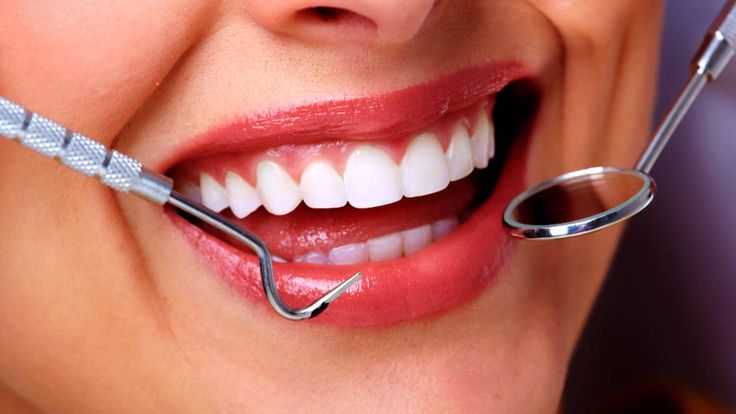
Cosmetic Dentistry is a specialized branch of dental care focused entirely on improving the appearance of your smile, teeth, and gums [112, 113]. While traditional dentistry focuses primarily on oral hygiene, disease prevention, and restorative health (like fillings and root canals), cosmetic dentistry blends advanced clinical science with fine art to give you a radiant, confident smile [112, 114].
Modern cosmetic dentistry goes far beyond simply making teeth look "white." A skilled cosmetic dentist evaluates your entire facial structure, lip line, gum architecture, and bite alignment to ensure that any aesthetic enhancements look completely natural, feel comfortable, and function harmoniously [111, 112].
Porcelain Veneers: Ultra-thin, custom-crafted ceramic shells bonded to the front surface of teeth. They instantly correct stubborn stains, chips, minor gaps, and slight misalignments [114, 115].
Professional Teeth Whitening: In-office or take-home professional bleaching treatments that safely lift years of deep stains caused by coffee, tea, wine, or aging, making teeth several shades brighter [113, 115].
Dental Bonding: A quick, cost-effective procedure where a tooth-colored composite resin is applied, sculpted, and hardened with a specialized curing light to fix chips, cracks, or small gaps [114, 115].
Gum Contouring (Gummy Smile Correction): Using precision soft-tissue lasers to sculpt and reshape uneven or excessive gum lines, revealing more of the natural tooth structure for a balanced smile [111, 115].
Invisclear / Clear Aligners: Transparent, removable trays that gradually shift crooked or crowded teeth into proper alignment without the aesthetic drawbacks of traditional metal braces [112, 114].
Tooth-Colored (Composite) Restorations: Replacing old, dark metal amalgam fillings with seamless, tooth-colored ceramic or composite fillings that blend invisibly into your smile [112, 115].
Discoloration: Teeth that do not respond to regular over-the-counter whitening toothpastes due to intrinsic staining or age [113].
Structural Flaws: Chipped, cracked, worn-down, or misshapen teeth [114, 115].
Spacing Issues: Diastemas (gaps between teeth) or slight crowding that affects your facial symmetry [114].
Gum Disproportion: Showing too much gum tissue when you smile ("gummy smile") or an uneven gum line [111].
Dental Anxiety over Past Work: Old, visible metal fillings or bulky crowns that make you hesitant to laugh freely [112].
Smile Consultation & Digital Imaging: Discussing your aesthetic goals, evaluating your oral health, and using digital smile design software to preview your potential results.
Comprehensive Treatment Planning: Creating a custom roadmap that outlines timelines, material choices (such as high-grade porcelain vs. composite), and precise shade matching.
Preparation & Temporaries: For procedures like veneers or crowns, teeth are minimally prepared, and natural-looking temporary restorations are placed while your custom pieces are crafted in a dental laboratory.
Final Bonding & Polishing: The permanent restorations are meticulously fitted, checked for bite comfort, and securely bonded to your teeth.
Boosted Self-Confidence: A bright, harmonious smile dramatically improves how you feel in social and professional settings [112, 115].
Improved Oral Hygiene: Many cosmetic procedures (like straightening crooked teeth or fixing overlapping edges) make teeth much easier to brush and floss, lowering your risk of decay and gum disease.
Durable, Natural Materials: Modern ceramics and resins mimic the natural translucency and strength of real tooth enamel, offering long-lasting beauty [111, 114].