


Page Under Maintenance
This page is currently under maintenance.
Please communicate at the hospital help desk for assistance.
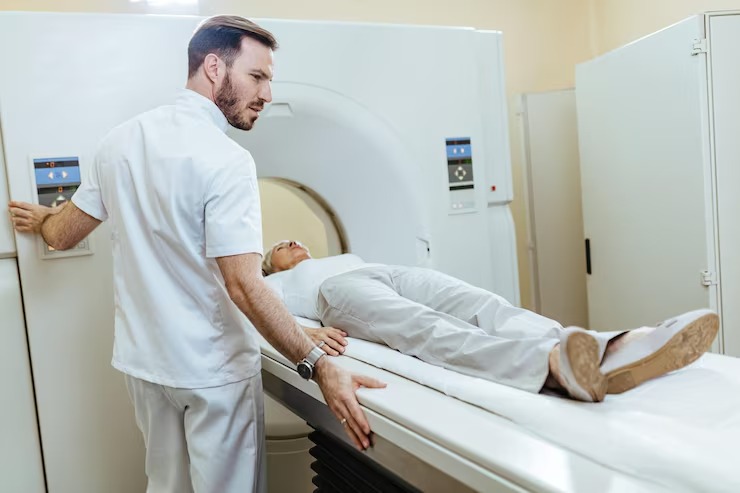
Surgery is often the first and most direct step in treating many types of cancer. When a tumour is removed, it can feel like the hardest part is over. But for a significant number of patients, the oncology team at Jaslok Hospital may recommend an additional course of treatment, radiation therapy after surgery. This can understandably raise questions, concerns, and sometimes anxiety.
If your doctor has recommended post-surgical radiation therapy, it does not mean the surgery was unsuccessful. In fact, it is quite the opposite. Radiation after surgery is a carefully considered, evidence-based step designed to significantly reduce the risk of cancer returning and to give you the best possible long-term outcome.
This blog explains what post-surgical radiation therapy is, why it is recommended, which cancers commonly require it, and what patients can expect from the process.
When radiation therapy is given after surgery, it is referred to as adjuvant radiation therapy. The word “adjuvant” simply means “in addition to”, meaning this treatment is given in addition to surgery, not as a replacement for it.
The goal of adjuvant radiation therapy is to eliminate any cancer cells that may have been left behind after surgery, cells too small to be seen or felt, and too few to show up on imaging scans, but potentially capable of growing into a new tumour over time. These microscopic residual cells are the primary reason cancer can return even after what appears to be a successful surgical removal.
In some cases, radiation may also be given before surgery (called neoadjuvant radiation) to shrink the tumour and make it easier to remove. However, this blog focuses specifically on radiation given after the surgical procedure.
This is one of the most common questions patients ask, and it is an entirely valid one. Surgery is an excellent tool for removing visible, localised tumours. However, cancer is not always as contained as it appears.
Here is why surgery alone may not be sufficient in certain cases:
Even when a surgeon removes the entire visible tumour along with a margin of healthy tissue around it, cancer cells can exist at a microscopic level beyond the surgical margins. These cells are invisible to the naked eye and to most imaging technology. Left untreated, they can eventually multiply and cause a local recurrence of the disease.
After a tumour is removed, the tissue at the edges of the surgical specimen, called the surgical margins, is examined under a microscope by a pathologist. If cancer cells are found at or near the margins, it indicates that some cancer may remain in the body. Radiation therapy is highly effective at targeting and destroying these residual cells.
Cancer can spread to nearby lymph nodes before or during surgery. Even if affected lymph nodes are removed, the surrounding lymphatic tissue may harbour cancer cells. Post-surgical radiation to the regional lymph node areas helps address this risk comprehensively.
Certain cancers are biologically aggressive, they grow quickly, spread easily, and have a higher likelihood of returning after surgery. In these cases, oncologists recommend radiation therapy not because surgery failed, but because the nature of the cancer demands a more comprehensive treatment approach to reduce recurrence risk.
In some anatomical locations, such as the brain, head and neck, or areas close to vital structures, it is not always surgically possible to remove the entire tumour without causing serious harm to surrounding healthy tissue. Radiation therapy can treat these areas precisely without the limitations that surgery faces.
Post-surgical radiation therapy is used across a wide range of cancer types. Some of the most common include:
Radiation after surgery is one of the most well-established applications of adjuvant radiotherapy. After a lumpectomy (removal of the tumour and a small margin of surrounding tissue), radiation to the remaining breast tissue significantly reduces the risk of local recurrence. In some cases, following a mastectomy, radiation to the chest wall and lymph nodes is also recommended, particularly when the tumour was large, lymph nodes were involved, or surgical margins were close.
Cancers of the mouth, throat, larynx, and salivary glands are often treated with surgery followed by radiation, and sometimes concurrent chemotherapy. Because these areas are anatomically complex and surgically challenging, radiation helps ensure that any microscopic disease left behind is eliminated.
After surgical removal of a brain tumour, radiation therapy is frequently used to target residual tumour cells, particularly for high-grade gliomas and other aggressive tumour types. The brain’s complexity makes complete surgical removal extremely difficult, making radiation an essential part of treatment.
Post-surgical radiation, often combined with chemotherapy, is commonly used after rectal cancer surgery to reduce the risk of local recurrence in the pelvic region. It is particularly recommended when the tumour was advanced or when lymph nodes were involved.
After a radical prostatectomy (surgical removal of the prostate), radiation therapy may be recommended if PSA levels remain elevated or begin to rise, indicating that residual cancer cells may still be present. This approach, called salvage radiation therapy, has been shown to significantly improve outcomes.
In certain stages of non-small cell lung cancer, radiation after surgical resection is used to reduce the risk of recurrence, particularly when lymph nodes are involved or margins are close.
These rare tumours of the muscles, fat, and connective tissue are often treated with surgery followed by radiation therapy. Because sarcomas can be large and may be located near critical structures, radiation helps eliminate any residual disease that surgery could not safely address.
For gynaecological cancers, post-surgical radiation, either to the vaginal cuff or to the pelvis, is recommended based on the stage of the cancer, depth of tumour invasion, and lymph node involvement.
The timing of radiation therapy after surgery varies depending on the type of cancer, the patient’s recovery, and the overall treatment plan. In most cases, radiation begins three to eight weeks after surgery, once the surgical wound has adequately healed and the patient is physically ready to tolerate treatment.
Delaying radiation too long can allow any residual cancer cells to multiply. Starting too early, before the body has recovered from surgery, can impair healing and increase side effects. Your oncology team at Jaslok Hospital coordinates this timing carefully to strike the right balance.
The process of adjuvant radiation therapy follows the same structured steps as any radiation treatment:
It is natural to worry about adding another treatment when you are still recovering from surgery. The side effects of post-surgical radiation depend on the location being treated and are generally localised to that area. Common side effects include fatigue, skin changes in the treated area, and, depending on the site, symptoms specific to nearby organs.
Importantly, these side effects are temporary in most cases and are actively managed by the Jaslok Hospital oncology team. The benefits of reducing the risk of cancer recurrence far outweigh the temporary discomfort for the vast majority of patients.
If post-surgical radiation has been recommended for you, here are some important questions to discuss with your oncologist:
Open, informed conversations with your care team are one of the most powerful tools available to you as a patient.
Related: Radiation vs. Chemotherapy: Key Differences Explained
At Jaslok Hospital, every cancer case is reviewed by a multidisciplinary tumour board, a team of surgical oncologists, radiation oncologists, medical oncologists, pathologists, and radiologists who together decide the most effective treatment plan for each individual patient. This collaborative approach ensures that every recommendation, including post-surgical radiation therapy, is based on the latest clinical evidence and tailored to your unique situation.
Our state-of-the-art Radiation Oncology department is equipped with advanced technologies including IMRT, IGRT, VMAT, and SBRT, ensuring that radiation is delivered with maximum precision and minimum impact on healthy tissue.
You have already taken one of the bravest steps by undergoing surgery. Post-surgical radiation therapy is the next step in ensuring that courage translates into the best possible outcome.
To consult with our oncology team or learn more about radiation therapy at Jaslok Hospital, contact us today and let us guide you through every step of your recovery