


Page Under Maintenance
This page is currently under maintenance.
Please communicate at the hospital help desk for assistance.
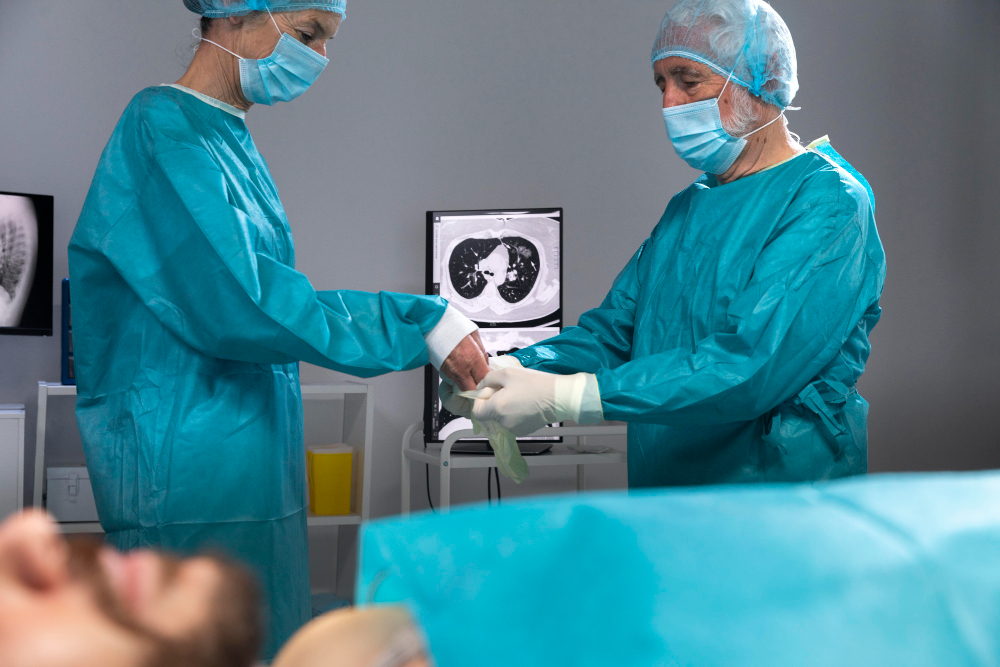
Recovery after a kidney transplant depends on three things: taking your anti-rejection medicines exactly on time, following a low-infection-risk diet, and staying active without overdoing it. Most patients leave the hospital within 5 to 10 days and return to normal daily routines within 6 to 8 weeks, provided they follow their nephrologist's plan closely.
A kidney transplant is major surgery. But the surgery itself is only half the story. What you do in the weeks after determines how well your new kidney settles in and how soon you get your life back.
In the first 3 to 5 days, your medical team watches your new kidney closely. They check urine output, blood creatinine levels, and vital signs multiple times a day.
You'll likely have:
Most patients start walking within 24 hours of surgery. This isn't optional bonus activity — early movement lowers the risk of blood clots and helps your lungs and bowels recover faster.
Recovery happens in stages, not all at once. Here's a general timeline (your doctor's advice always overrides this):
|
Recovery Phase |
Timeframe |
What to Expect |
|---|---|---|
|
Hospital stay |
5–10 days |
Monitoring, first medication doses, wound care |
|
Early home recovery |
Weeks 2–4 |
Frequent follow-ups, limited lifting, wound healing |
|
Mid recovery |
Weeks 4–8 |
Gradual return to light work, driving (if cleared) |
|
Full recovery |
3–6 months |
Return to most normal activities, stable medication dose |
Some patients feel strong by week 3. Others take longer, especially if they had dialysis for years before the transplant. Both are normal.
Your anti-rejection medicines keep your body from attacking the new kidney. Missing doses — even by a few hours — raises rejection risk.
Immunosuppressants weaken your immune system, so food safety matters as much as nutrition.
A transplant dietitian usually gives a personalized plan in the first week — it's worth following it strictly for the first 3 months.
Gentle activity speeds healing. Heavy strain slows it down.
One transplant coordinator at a Mumbai hospital put it simply: "Walking is medicine. Lifting too soon is the fastest way back to the ICU."
Infection at the incision site is one of the most preventable complications.
Follow-ups aren't a formality — they catch problems before symptoms even appear.
Skipping even one visit can delay the detection of silent rejection, which often has no obvious symptoms early on.
Recovery speed isn't only about the patient's discipline — the hospital's transplant infrastructure plays a big role too. A kidney transplant in Mumbai at a center with an experienced nephrology team, an on-site transplant ICU, and 24/7 lab support tends to catch complications earlier, which shortens overall recovery time.
When comparing centers, look for:
Jaslok Hospital in Mumbai has run a structured kidney transplant program for decades, combining surgical expertise with close post-operative monitoring — which is often what patients look for when searching for the kidney transplant hospital in Mumbai.
Call your transplant team right away if you notice:
These can signal rejection or infection — both treatable early, but risky if ignored.
Physical healing gets most of the attention, but many patients underestimate the mental side. Anxiety about rejection, medication fatigue, and lifestyle changes are common in the first few months.
Patients who address this early tend to stick to their medical routine more consistently — which directly affects physical recovery too.
Relevant Blog : Living Donor vs Deceased Donor Key Differences
A kidney transplant is a second chance, and how you treat the first few months shapes how long that chance lasts. Medication discipline, a safe diet, gentle activity, and regular follow-ups aren't just recommendations — they're what actually determines a smooth recovery. Pair that with the right hospital team, and most patients are back to a near-normal life within a few months.
Q1: How soon can I go back to work after a kidney transplant?
Most people return to desk jobs in 6 to 8 weeks. Physically demanding jobs may need 3 months or longer, depending on how well the kidney is functioning.
Q2: Can I exercise normally after recovery?
Yes, but build up gradually. Light walking starts in week 1; jogging or gym workouts usually wait until your doctor confirms full wound healing, often around 8 to 12 weeks.
Q3: Will I need immunosuppressants forever?
Yes, in almost all cases. Stopping them without medical supervision is one of the leading causes of organ rejection.
Q4: How do I know if my body is rejecting the kidney?
Common signs include reduced urine output, fever, and swelling. However, rejection can also be silent, which is why regular blood tests matter more than symptoms alone.
Q5: Is a kidney transplant in Mumbai as effective as transplants abroad?
Yes. Several Mumbai hospitals, including established transplant centers like Jaslok Hospital, follow international protocols and report success rates comparable to global standards, often at a fraction of the cost.
Q6: Can I travel after recovery?
Local travel is usually fine after 6 weeks with medical clearance. Long-distance or international travel is generally advised after 3 months, once medication doses are stable.