


Page Under Maintenance
This page is currently under maintenance.
Please communicate at the hospital help desk for assistance.
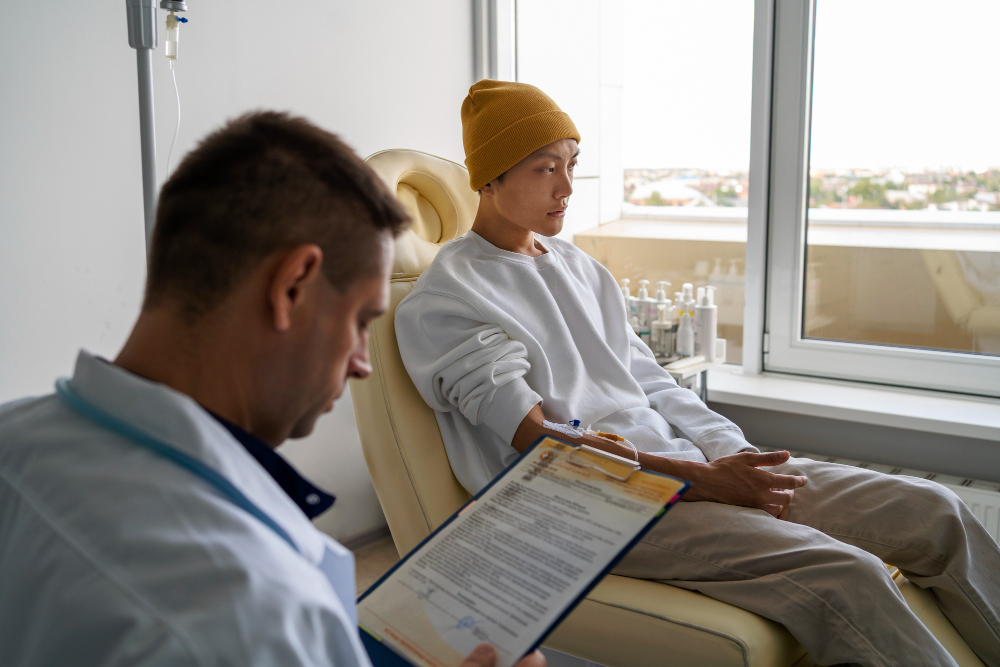
Protecting your immune system during cancer treatment is one of the most important steps you can take to reduce complications and improve your overall well-being. Chemotherapy is designed to destroy rapidly growing cancer cells, but it can also affect healthy cells, including the white blood cells that help your body fight infections. According to the U.S. Centers for Disease Control and Prevention (CDC) and the National Cancer Institute (NCI), patients receiving chemotherapy are at a significantly higher risk of infection because treatment can lower infection-fighting white blood cells, a condition known as neutropenia.
The immune system acts as the body's defense mechanism against infections, viruses, and harmful bacteria. During chemotherapy, this protective system can become weaker because treatment often affects healthy cells along with cancer cells. Understanding how immunity changes during treatment helps patients take preventive steps and reduce complications. A strong focus on immune health can also improve recovery between treatment cycles and support overall well-being. This makes immune protection an essential part of successful cancer treatment.
One of the most common chemotherapy side effects is a reduction in white blood cell production. White blood cells are responsible for identifying and destroying harmful organisms that enter the body. chemotherapy medications target rapidly dividing cells, which includes cancer cells but also affects bone marrow cells that produce blood cells. As a result, the body's natural defenses may become weaker for a period of time. Patients may become more vulnerable to infections that would normally be easy to fight off. Understanding this process helps individuals appreciate the importance of preventive measures during treatment.
Neutropenia is a condition where the number of neutrophils, a specific type of white blood cell, falls below normal levels. This condition is frequently seen during cancer care and significantly increases the risk of infection. Even a small bacterial exposure can become serious when neutrophil counts are low. Many patients do not experience obvious symptoms until an infection develops, which is why routine blood tests are essential. Doctors carefully monitor blood counts throughout treatment to identify high-risk periods. Following medical advice during these times can help prevent avoidable complications.
A healthier immune system helps the body recover more effectively between chemotherapy sessions. When infections are avoided, patients are less likely to experience treatment delays or hospital admissions. Maintaining immune function can also contribute to better energy levels and overall physical resilience. While chemotherapy may temporarily weaken immunity, supportive lifestyle habits can reduce some of the challenges. Patients who actively focus on immune health often feel more confident managing their treatment journey. This proactive approach creates a stronger foundation for recovery and long-term health.
Recognizing symptoms early can help prevent serious infections and medical emergencies. Many warning signs may seem minor at first, but they can indicate that the body is struggling to fight off harmful organisms. Paying attention to changes in health allows patients to seek timely medical care. Early intervention often leads to better outcomes and reduces the likelihood of complications. Understanding these signs is a valuable part of self-care during treatment.
Several chemotherapy side effects can suggest changes in immune function. Persistent fatigue, frequent infections, slow-healing wounds, and recurring mouth sores are common examples. These symptoms may not always indicate a serious problem, but they deserve attention. Patients should also watch for skin changes, unusual swelling, or prolonged illnesses that seem difficult to overcome. Because immune responses are reduced during treatment, infections can progress faster than expected. Reporting symptoms early allows healthcare providers to recommend appropriate treatment and monitoring.
A fever is one of the most important warning signs for patients receiving chemotherapy. Even a mild increase in body temperature can indicate an infection that requires prompt evaluation. Because the immune system may not respond normally, infections can become severe within a short period of time. Patients are often advised to contact their healthcare team immediately if they develop a fever. Having a thermometer at home and checking temperature regularly when feeling unwell is a simple but effective precaution. Quick medical attention can significantly reduce health risks.
Apart from fever, there are several symptoms that should be reported to a healthcare provider as soon as possible. Persistent coughing, shortness of breath, painful urination, severe diarrhea, or unexplained bleeding may indicate an underlying problem. Chills and night sweats can also be signs of infection. Sometimes these symptoms appear before a fever develops, making them important indicators. Patients should trust their instincts and seek medical advice whenever something feels unusual. Early communication with the care team is always beneficial.
Daily routines play a major role in protecting the body during chemotherapy. Small habits practiced consistently can significantly lower exposure to harmful germs. These precautions may seem simple, but they are highly effective when followed regularly. Patients and caregivers should work together to create a safe and supportive environment. Consistency is the key to reducing infection risks throughout treatment.
Proper handwashing is one of the most effective ways to prevent infection during cancer care. Hands come into contact with numerous surfaces throughout the day and can easily transfer germs to the mouth, nose, or eyes. Washing with soap and water for at least twenty seconds helps remove harmful bacteria and viruses. Personal hygiene also includes regular bathing, clean clothing, and proper oral care. Maintaining cleanliness reduces the chances of infection while promoting comfort and confidence. These simple practices provide a strong first line of defense.
Keeping the home environment clean can reduce exposure to bacteria and viruses. Frequently touched surfaces such as door handles, mobile phones, kitchen counters, and light switches should be cleaned regularly. Family members should avoid visiting when they are sick and practice good hygiene themselves. Proper ventilation can also improve indoor air quality and reduce the spread of germs. Patients do not need a perfectly sterile home, but maintaining reasonable cleanliness is beneficial. A safe home environment contributes to both physical and emotional well-being.
Public places often expose individuals to a larger number of germs than home environments. During periods of low immunity, it may be wise to avoid crowded indoor locations whenever possible. Wearing a mask in high-risk situations can provide additional protection. Patients should also carry hand sanitizer and avoid touching their faces unnecessarily. Careful planning can make errands and appointments safer without completely limiting daily activities. Balancing caution with normal life helps maintain a sense of independence.
Nutrition provides the fuel the body needs to heal and recover during treatment. Although no food can completely prevent infection, healthy eating habits support immune function and energy production. Nutrient-rich foods help maintain strength while reducing the impact of certain treatment-related challenges. A balanced diet should be viewed as an important part of overall cancer care. Patients should consult healthcare professionals for personalized nutritional advice.
Protein is especially important during chemotherapy because it helps repair damaged tissues and maintain muscle mass. Lean meats, fish, eggs, dairy products, beans, and lentils are excellent sources. Fruits and vegetables provide vitamins, minerals, and antioxidants that contribute to overall health. Whole grains offer sustained energy and support digestive health. Including a variety of nutrient-dense foods helps ensure the body receives the nutrients it needs. Consistent nourishment can improve both recovery and daily functioning.
Food safety becomes more important when the immune system is weakened. Undercooked meat, raw seafood, and unpasteurized dairy products may contain harmful bacteria. Washing fruits and vegetables thoroughly helps remove contaminants before consumption. Leftovers should be refrigerated promptly and reheated properly before eating. Patients should also pay attention to expiration dates and avoid foods that may have spoiled. Careful food handling reduces the likelihood of foodborne illnesses during treatment.
Staying hydrated supports many important bodily functions, including circulation and temperature regulation. Chemotherapy can sometimes cause nausea, vomiting, or diarrhea, which may increase the risk of dehydration. Drinking water consistently throughout the day helps maintain proper fluid balance. Herbal teas, soups, and water-rich fruits can also contribute to hydration. Adequate fluid intake supports recovery and may help reduce treatment-related fatigue. Patients should discuss individual hydration needs with their healthcare providers.
Lifestyle choices influence how the body responds to treatment and recovery. While some factors are beyond a patient's control, others can be improved through daily habits. Focusing on sleep, stress management, and physical activity can strengthen overall resilience. These areas are often overlooked but have a meaningful impact on well-being. A balanced lifestyle supports both physical and emotional health during treatment.
Sleep is essential for healing and immune system regulation. During sleep, the body performs many repair processes that support recovery from treatment. Poor sleep can increase fatigue, reduce concentration, and affect emotional well-being. Creating a regular sleep schedule and minimizing distractions before bedtime can improve sleep quality. Patients should discuss persistent sleep problems with their healthcare team. Better sleep often leads to improved energy and overall quality of life.
Physical activity can help reduce fatigue and support cardiovascular health during cancer treatment. Gentle exercises such as walking, stretching, and yoga are commonly recommended. The goal is not intense training but maintaining movement in a safe and manageable way. Exercise can also improve mood and reduce stress levels. Patients should always consult their healthcare providers before starting or changing an exercise routine. Tailored activity plans can provide benefits without causing unnecessary strain.
Stress can affect both mental and physical health during chemotherapy. Long periods of stress may contribute to poor sleep, reduced appetite, and emotional exhaustion. Relaxation techniques such as meditation, deep breathing, and mindfulness can help patients cope more effectively. Spending time with supportive friends and family may also improve emotional resilience. Managing stress does not eliminate treatment challenges, but it can make them easier to navigate. Emotional well-being remains an important aspect of recovery.
Relevant Blog: https://www.jaslokhospital.net/blogs/why-chemotherapy-fatigue-happens-and-how-to-fight-it
Protecting your immune system during cancer treatment requires attention to multiple aspects of daily life. Good hygiene, balanced nutrition, adequate hydration, quality sleep, and regular medical monitoring all work together to reduce infection risks. Understanding chemotherapy side effects and recognizing early warning signs allows patients to seek timely care when needed.
Most chemotherapy-related immune suppression is temporary.
Patients are often advised to avoid raw or undercooked meat, unpasteurized dairy products, and foods that may increase the risk of foodborne illness.
Check your temperature whenever you feel unwell, chilled, flushed, or suspect an infection. Follow your oncology team's specific recommendations.