


Page Under Maintenance
This page is currently under maintenance.
Please communicate at the hospital help desk for assistance.
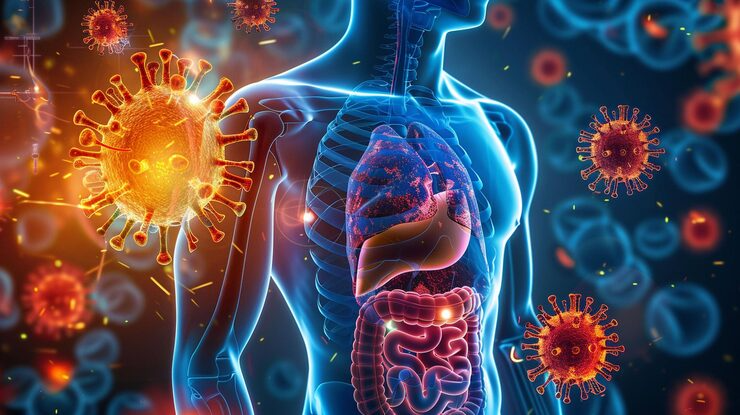
With good reason, the term "gut health" has emerged from specialized wellness circles into common medical discourse in recent years. The gut is now understood by scientists to be a key center for immune function, affecting the body's ability to fight infections, manage inflammation, and even react to vaccinations. Surprisingly, the gut contains around 70% of the immune system, making digestive health essential to immunity in general.
Knowing how immunity and gut health are related might help you make decisions about your lifestyle that will boost your body's defenses. Let's examine how this complex relationship functions, why it is important, and how you can help it.
The trillions of bacteria, viruses, fungus, and other microbes that mostly reside in the large intestine are referred to as the gut microbiome. Although it may seem disturbing to think that we have germs inside of us, the majority of these organisms are helpful and necessary for our life.
A healthy gut microbiome:
Immune function can deteriorate and the body becomes more susceptible to disease when the equilibrium between good and bad microbes is upset, a situation called dysbiosis.
One of the body's biggest interactions with the outside world is the gastrointestinal tract. It comes into contact with food particles, bacteria, poisons, and pathogens on a daily basis. Gut-Associated Lymphoid Tissue (GALT) is a unique immunological network found in the gut that helps control this ongoing exposure.
It is essential to strike a balance between protection and tolerance. While an underactive immune response raises the risk of infection, an overactive immune response can lead to allergies and autoimmune disorders.
Immune cells are being "educated" by beneficial gut flora. They aid immune cells in differentiating between dangerous chemicals and genuine threats. This training guarantees quicker, more precise immune responses while lowering needless inflammation.
Certain gut bacteria stimulate the production of regulatory T-cells, which:
Insufficient helpful microorganisms might cause the immune system to become overreactive and confused.
The lining of the gut serves as a physical barrier to keep dangerous substances out of the blood. Only nutrients that have been thoroughly digested can pass through intestinal cells thanks to their tight connections.
These connections may relax when gut health is impaired; this condition is commonly known as "leaky gut" or increased intestinal permeability.
A weakened gut barrier can allow:
to enter the bloodstream, causing immunological activation and persistent inflammation. This can eventually wear down the immune system and lead to autoimmune and inflammatory illnesses.
Immune strength frequently follows a reduction in intestinal health. Typical repercussions include:
The body's capacity to combat dangerous pathogens is diminished by an unbalanced microbiome, increasing the frequency and severity of illnesses.
Chronic conditions like diabetes, heart disease, and arthritis are more likely to occur when the immune system is constantly in a low-grade activation state due to poor gut health.
Allergies, intolerances, and sensitivities can result from the body mistakenly attacking innocuous substances due to a breakdown in immunological tolerance.
Inflammatory bowel illness, thyroid issues, and rheumatoid arthritis have all been linked to long-term immunological dysregulation brought on by gut imbalance.
One of the most effective strategies for influencing immunological resilience and gut health is diet.
Beneficial gut bacteria are fed by dietary fiber, which enables them to create butyrate and other short-chain fatty acids (SCFAs). SCFAs:
Probiotics are live beneficial bacteria that support gut balance. They help crowd out harmful microbes and strengthen immune defenses.
Prebiotics are non-digestible fibers that nourish beneficial bacteria.
A diet combining probiotics and prebiotics creates a synbiotic effect, amplifying immune benefits.
Certain foods can disrupt gut balance and weaken immunity when consumed excessively:
Reducing these supports both gut and immune health.
Food is not the only factor in gut health. Daily routines are also very important.
Prolonged stress increases intestinal permeability and modifies gut microorganisms. Cortisol and other stress chemicals weaken the immune system and increase inflammation.
Stress management practices such as:
can positively influence gut health and immune balance.
Immune responses are weakened and gut microbiota diversity is disrupted by sleep deprivation. Regeneration and restoration of the immune system and intestines are made possible by regular, high-quality sleep.
Frequent, moderate exercise strengthens immune surveillance and encourages microbial diversity. On the other hand, overtraining may have the opposite impact, raising the risk of infection and inflammation.
Antibiotics have the potential to save lives, but overuse or needless usage can destroy good gut flora. Immune repair depends on promoting gut healing with appropriate diet and probiotics following antibiotic treatment.
In addition to providing protection against common infections, a good gut-immune interaction may also reduce the risk of chronic illnesses like:
According to recent studies, gut health may even affect how well the immune system reacts to immunizations and medicinal interventions.
To support both gut health and immune function:
Small, consistent changes can lead to profound long-term benefits.
Related: Warning Signs of Digestive Disorders You Should Not Ignore
Immunity and gut health are intricately linked, creating a dynamic system that keeps the body balanced and guards against disease. One of the most potent predictors of immunological strength is a healthy gut microbiome, which educates immune cells, fortifies barriers against infections, and controls inflammation.
You're investing in greater immunity, resilience, and long-term well-being when you nurture your gut with mindful nutrition, healthy habits, and stress reduction.
At Jaslok Hospital, we think that genuine health starts on the inside. Jaslok Hospital is dedicated to providing thorough, patient-centered care by fusing cutting-edge medical knowledge, cutting-edge diagnostics, and a comprehensive understanding of gut health and immunity. Your health is our top focus at Jaslok, therefore our top gastroenterologists and diverse professionals collaborate to help you develop a stronger immune system, fend against illness, and attain long-term wellness