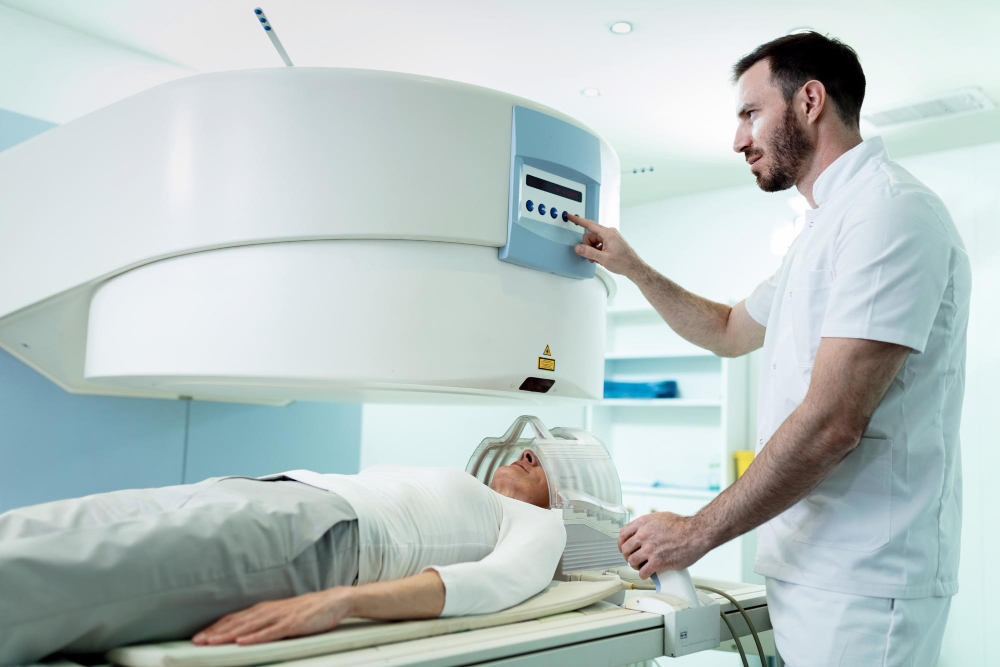
Going through radiation therapy is one of the most demanding experiences a person can face. While the treatment works hard to destroy cancer cells, it can also take a toll on the body, causing fatigue, nausea, inflammation, and changes in appetite. What many patients and caregivers do not realise is that the right nutrition can play a powerful role in managing these side effects and supporting recovery.
At Jaslok Hospital, our oncology team believes that treatment does not stop at the clinic. What you eat during radiation therapy can influence how well your body tolerates treatment, how quickly healthy cells repair themselves, and how strong you feel throughout the process. This guide outlines the best foods to include in your diet during radiation therapy and explains the science behind why they help.
Why Nutrition Matters During Radiation Therapy
Radiation therapy places significant physical stress on the body. Depending on the area being treated, patients may experience:
- Fatigue and low energy levels
- Nausea, vomiting, or loss of appetite
- Mouth sores or difficulty swallowing (for head and neck radiation)
- Diarrhoea or constipation (for pelvic or abdominal radiation)
- Skin irritation and inflammation in the treated area
- Weakened immune function
Good nutrition during this period serves several important purposes. It helps maintain a healthy body weight, preserves muscle mass, strengthens the immune system, reduces inflammation, and supports the repair of healthy tissue damaged during treatment. Patients who are well-nourished tend to tolerate radiation therapy better and recover more effectively.
Foods That Help Reduce Radiation Side Effects
Harnessing the power of nutrient-dense "superfoods" can provide a vital internal defense, helping the body neutralize oxidative stress and repair cellular damage during and after radiation therapy.
1. Antioxidant-Rich Fruits and Vegetables
Radiation therapy generates free radicals, unstable molecules that can damage healthy cells. Antioxidants neutralise free radicals and help protect healthy tissue from oxidative stress.
Excellent antioxidant-rich choices include:
- Berries (blueberries, strawberries, amla/Indian gooseberry) — packed with Vitamin C and polyphenols
- Leafy greens (spinach, methi, palak) — rich in Vitamins A, C, and K
- Carrots and sweet potatoes — high in beta-carotene, which supports cell repair
- Tomatoes — contain lycopene, a powerful antioxidant with anti-inflammatory properties
- Citrus fruits (oranges, lemon, mosambi) — excellent sources of Vitamin C that support immune health
Note: While antioxidants from whole foods are beneficial, high-dose antioxidant supplements during radiation therapy should only be taken on the advice of your oncologist, as they may interfere with treatment in some cases.
2. Anti-Inflammatory Foods
Radiation therapy causes localised inflammation as a natural response to tissue stress. Consuming foods with natural anti-inflammatory properties can help the body manage this response more effectively.
- Turmeric (Haldi): Curcumin, the active compound in turmeric, is one of the most researched natural anti-inflammatory agents. A warm glass of turmeric milk (haldi doodh) is both soothing and therapeutic.
- Ginger: Highly effective against nausea — one of the most common side effects of both radiation and chemotherapy. Ginger tea or ginger-infused warm water can provide significant relief.
- Flaxseeds: Rich in omega-3 fatty acids and lignans, flaxseeds help reduce inflammation and support skin health, particularly useful when the skin in the treatment area becomes irritated.
- Walnuts and almonds: Good plant-based sources of omega-3 fatty acids and Vitamin E, which aids in skin repair and reduces inflammation.
- Olive oil: A heart-healthy fat with well-documented anti-inflammatory effects. Use it as a dressing or for light sautéing.
3. High-Protein Foods for Tissue Repair
Protein is essential for repairing the healthy cells and tissues that may be affected during radiation therapy. Adequate protein intake also helps maintain muscle mass, supports the immune system, and promotes wound healing.
Good protein sources include:
- Lentils and legumes (dal, chana, rajma, moong) — excellent plant-based protein staples in Indian diets, easy to digest and gentle on the stomach
- Paneer and tofu — high in protein and calcium, soft in texture and easy to eat even when appetite is low
- Curd (yoghurt) — provides protein as well as probiotics, which support gut health and digestion
- Eggs — a complete protein source that is easy to prepare in multiple ways
- Fish (for non-vegetarian patients) — particularly fatty fish like salmon and mackerel, which provide both protein and anti-inflammatory omega-3 fatty acids
- Milk and dairy — good sources of protein and calcium that help maintain bone health
If chewing or swallowing is difficult due to mouth sores or throat radiation, protein-rich foods can be blended into smoothies, soups, or soft khichdi for easy consumption.
4. Probiotic and Gut-Supporting Foods
Radiation to the abdomen or pelvis can disrupt the gut microbiome, leading to diarrhoea, bloating, and digestive discomfort. Probiotic foods help restore healthy gut bacteria and support digestive function.
- Curd (yoghurt) — the most accessible probiotic food in Indian households; opt for fresh, unsweetened curd
- Buttermilk (chaas) — cooling, easily digestible, and probiotic-rich; ideal during radiation treatment
- Idli and dosa (fermented foods) — gentle on the stomach and naturally probiotic
- Kanji (fermented carrot or beetroot drink) — a traditional Indian probiotic that supports gut health
Alongside probiotics, prebiotic foods that feed good gut bacteria, such as bananas, onions, garlic, and oats, should also be included in the diet.
5. Hydrating Foods and Fluids
Radiation therapy can cause dehydration, particularly if the patient is experiencing nausea, vomiting, or diarrhoea. Staying well-hydrated helps the body flush out damaged cells, maintain energy levels, and support kidney function.
- Water — aim for at least 8–10 glasses a day unless advised otherwise by your doctor
- Coconut water — naturally hydrating and rich in electrolytes; helps replenish minerals lost during treatment
- Watermelon and cucumber — high water content with gentle, cooling properties
- Clear soups and broths — easy to consume and hydrating, especially when solid food feels unappealing
- Herbal teas (ginger, chamomile, tulsi) — soothing and anti-inflammatory; avoid caffeinated beverages in excess
6. Whole Grains and Complex Carbohydrates
Fatigue is the most commonly reported side effect of radiation therapy. Whole grains provide a slow and steady release of energy that helps combat tiredness without causing blood sugar spikes.
- Brown rice and red rice — rich in fibre and B vitamins that support energy metabolism
- Oats — easy to digest, high in fibre, and can be prepared in multiple ways
- Whole wheat roti — a staple source of complex carbohydrates and fibre
- Quinoa — a complete protein and complex carbohydrate, ideal for patients needing both energy and protein
- Daliya (broken wheat porridge) — gentle on the stomach, nutritious, and easy to prepare
7. Vitamin E and Skin-Healing Foods
For patients receiving radiation to areas where the skin is exposed to treatment beams, skin irritation, dryness, and redness are common. Vitamin E-rich foods support skin healing from within.
- Sunflower seeds and pumpkin seeds — excellent sources of Vitamin E and zinc
- Avocado — rich in healthy fats and Vitamin E, supports skin barrier repair
- Almonds — one of the best natural sources of Vitamin E
- Sweet potato — rich in beta-carotene, which the body converts to Vitamin A, supporting skin cell turnover
Foods to Avoid During Radiation Therapy
Just as important as knowing what to eat is knowing what to limit or avoid:
- Spicy and oily foods — can aggravate nausea, mouth sores, and digestive discomfort
- Raw or undercooked foods — may pose infection risks when immunity is low
- Processed and packaged foods — high in sodium, preservatives, and unhealthy fats that promote inflammation
- Alcohol — dehydrating, immunosuppressive, and potentially harmful to treatment outcomes
- Excessive sugar and refined carbohydrates — can cause energy crashes and suppress immune function
- Very hot or very cold foods — can irritate sensitive mouth tissues, especially during head and neck radiation
Practical Eating Tips for Radiation Patients
- Eat small, frequent meals rather than large portions — this is easier on the digestive system and helps maintain caloric intake when appetite is reduced.
- Keep easy snacks handy — nuts, bananas, curd, or whole grain crackers for times when a full meal feels overwhelming.
- Do not skip meals — even if appetite is low, small amounts of nourishing food are important for recovery.
- Cook food soft — steaming, boiling, or pressure-cooking makes foods gentler on a sensitive mouth and throat.
- Consult a clinical nutritionist — at Jaslok Hospital, our oncology team includes dietitians who can create a personalised nutrition plan aligned with your specific treatment and side effects.
A Note on Supplements
While a nutrient-rich diet is always the preferred approach, some patients may require supplements to meet their nutritional needs during treatment, particularly for Vitamin D, Vitamin B12, iron, or zinc. However, never start any supplement without first consulting your oncologist or dietitian, as some supplements can interact with radiation therapy or chemotherapy.
Nourishment Is Part of Your Treatment
Radiation therapy is a journey, and your diet is one of the most meaningful ways you can support your body through it. Eating well will not cure cancer on its own, but it can meaningfully reduce the burden of side effects, help you feel stronger, and give your body the tools it needs to heal.
Related: Top FAQs on Radiation Therapy: What Patients Ask Most
At Jaslok Hospital, our holistic approach to cancer care integrates expert medical treatment with personalised nutritional guidance and compassionate support, because we believe every patient deserves care that goes beyond the treatment room.