


Page Under Maintenance
This page is currently under maintenance.
Please communicate at the hospital help desk for assistance.
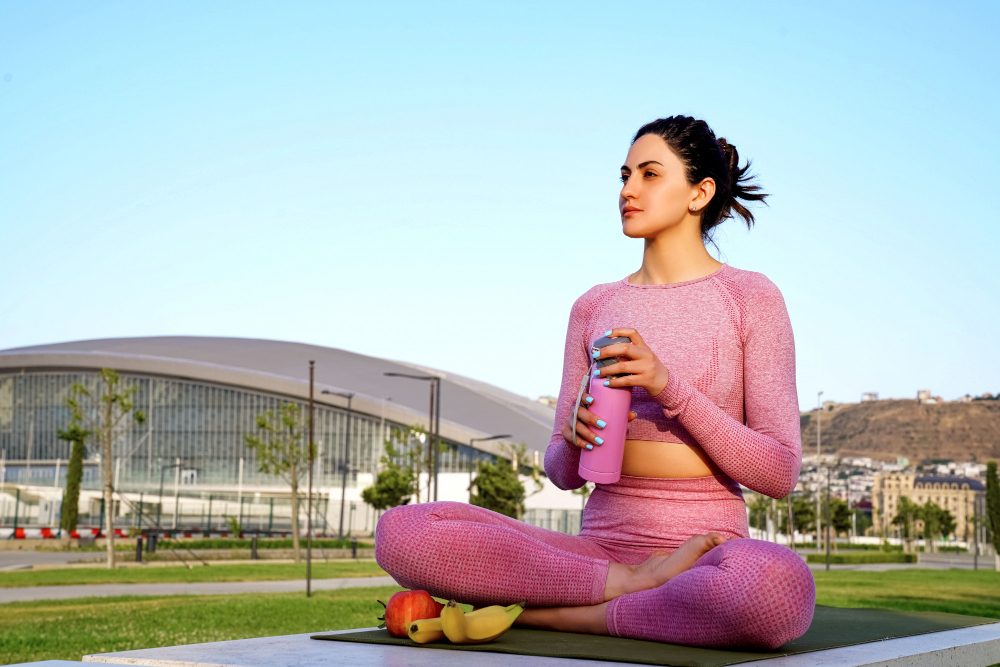
Maintaining strong gut health and overall digestive wellness is essential for daily comfort, nutrient absorption, and long-term well-being. While diet plays an important role, physical activity is often overlooked as a powerful tool for supporting digestion. Certain exercises can stimulate intestinal movement, reduce bloating, improve circulation to digestive organs, and help manage stress that affects the gut. Understanding which movements benefit the digestive system can help individuals create a healthier lifestyle and improve digestive function naturally.
The digestive system relies on regular muscular contractions to move food through the gastrointestinal tract. A sedentary lifestyle can slow these processes, leading to symptoms such as constipation, bloating, and discomfort. Exercise helps stimulate these natural movements and supports the body's ability to digest food efficiently. Even light activities can make a noticeable difference in digestive comfort and regularity.
Exercise affects digestion by stimulating the muscles responsible for moving food through the digestive tract. When the body is active, intestinal contractions become more efficient, helping food and waste travel smoothly through the system. Physical activity also increases blood circulation, ensuring digestive organs receive the oxygen and nutrients they need to function effectively. Regular movement can reduce the likelihood of constipation while promoting healthy bowel habits. This connection between exercise and digestion highlights why staying active is an important component of digestive wellness.
The gut microbiome contains trillions of beneficial bacteria that influence digestion, immunity, and overall health. Research suggests that regular physical activity may contribute to greater diversity among these microorganisms. A diverse microbiome is often associated with improved digestive function and reduced inflammation. Exercise may also help regulate metabolic processes that indirectly affect gut health. While nutrition remains the foundation of microbiome health, incorporating regular movement into a daily routine can provide additional support for maintaining a balanced digestive environment.
Intestinal motility refers to the movement of food and waste through the digestive tract. Slow motility can contribute to bloating, constipation, and abdominal discomfort. Physical activity encourages natural contractions within the intestines, helping to move digestive contents more efficiently. Activities such as walking, stretching, and yoga are especially effective because they stimulate movement without placing excessive strain on the body. Consistent exercise helps maintain regular bowel movements and supports overall digestive efficiency, making it a simple yet powerful tool for digestive health.
Walking is one of the easiest and most accessible exercises for digestive support. It requires no equipment, can be performed almost anywhere, and is suitable for most fitness levels. A short walk after meals can stimulate digestion, reduce feelings of fullness, and improve gastrointestinal function. This simple habit can provide significant digestive benefits when practiced consistently.
Walking after eating helps stimulate the digestive tract and encourages food to move through the stomach and intestines more efficiently. Gentle movement can reduce bloating, gas, and discomfort that sometimes occur after larger meals. Walking also supports healthy blood sugar regulation, which indirectly benefits digestive processes. Unlike intense workouts that may interfere with digestion, a relaxed walk promotes comfort while helping the body process food naturally. Many healthcare professionals recommend post-meal walking as a practical strategy for improving digestive wellness.
For digestive support, experts often recommend walking for ten to thirty minutes after meals. The pace should remain comfortable rather than strenuous, allowing the digestive system to continue functioning efficiently. Consistency is more important than intensity when it comes to digestive benefits. Walking after lunch and dinner can be especially helpful for reducing post-meal sluggishness and encouraging regular bowel movements. Establishing a routine of short daily walks may produce noticeable improvements in digestion and overall energy levels.
Beyond digestive support, walking provides numerous health advantages that contribute to overall wellness. It promotes cardiovascular health, helps manage body weight, improves circulation, and supports mental well-being. Reduced stress levels can positively influence digestion because the gut and brain are closely connected. Walking outdoors may also encourage relaxation and improve mood, creating a positive impact on digestive function. These combined benefits make walking one of the most effective and sustainable exercises for supporting digestive health.
Yoga combines physical movement, stretching, controlled breathing, and relaxation techniques. This unique combination makes it particularly effective for supporting digestive wellness. Certain yoga poses gently massage abdominal organs, improve circulation, and help relieve digestive discomfort. Regular practice may also reduce stress, which is a common contributor to digestive problems.
Twisting yoga poses create gentle compression and release within the abdominal region, helping stimulate digestive organs. These movements may improve circulation around the stomach and intestines while encouraging natural digestive processes. Gentle twists can also relieve tension that accumulates from prolonged sitting. Practicing these poses regularly may help reduce bloating and improve digestive comfort. Because twisting movements encourage mobility throughout the torso, they support overall digestive function while contributing to greater flexibility and body awareness.
Child's Pose is a restorative yoga position that encourages relaxation while gently compressing the abdominal area. This pose promotes deep breathing and activates the body's relaxation response, often referred to as the rest-and-digest state. Reduced stress levels can significantly improve digestive function because chronic stress often disrupts normal digestion. Child's Pose provides a simple way to calm the nervous system while supporting digestive wellness. Regular practice may help individuals manage digestive symptoms associated with anxiety and daily stress.
The Wind-Relieving Pose is specifically designed to address bloating and trapped gas. By bringing the knees toward the chest, gentle pressure is applied to the abdominal area, which may encourage gas movement through the intestines. This pose also stretches the lower back and promotes relaxation throughout the body. Many people find it helpful after meals or during episodes of digestive discomfort. Combined with slow breathing, this yoga position can provide a natural and effective way to improve digestive comfort.
Core strength influences posture, movement efficiency, and support for internal organs. Weak abdominal muscles can contribute to poor posture, which may place unnecessary pressure on the digestive system. Gentle core exercises help improve stability and create a supportive environment for healthy digestion. These exercises should focus on controlled movement rather than intense abdominal strain.
Pelvic tilts are a gentle exercise that activates the abdominal muscles while improving mobility in the lower back and pelvis. This movement encourages better posture and core engagement without creating excessive pressure on the digestive organs. Improved abdominal muscle function can support healthy bowel movements and reduce feelings of sluggish digestion. Pelvic tilts are especially beneficial for beginners because they are easy to perform and can be incorporated into daily routines. Consistent practice may contribute to better digestive comfort and overall physical stability.
The Bird-Dog exercise strengthens the core while improving balance and coordination. This controlled movement requires the body to stabilize itself, engaging multiple muscle groups simultaneously. A stronger core provides better support for internal organs and encourages healthy posture. Because the exercise involves slow, deliberate movement, it can be performed comfortably without disrupting digestion. Incorporating Bird-Dog exercises into a fitness routine may enhance both physical stability and digestive wellness while promoting overall functional movement.
Modified planks help strengthen the abdominal muscles and improve posture without placing excessive strain on the body. Better posture can reduce compression around digestive organs, allowing them to function more efficiently. Unlike intense abdominal workouts, modified planks focus on stability and endurance rather than aggressive muscle contraction. Regular practice supports core strength while promoting healthy movement patterns. Over time, stronger abdominal muscles may contribute to improved digestive function and greater overall comfort during daily activities.
Stretching supports flexibility, circulation, and mobility throughout the body. Many people spend long periods sitting, which can contribute to muscular tightness and digestive sluggishness. Incorporating stretching exercises into a daily routine helps counteract these effects and promotes better digestive comfort. Gentle stretches can complement other digestive health exercises and enhance overall wellness.
Torso stretches encourage movement throughout the abdominal region, helping improve flexibility and circulation. These stretches may stimulate digestive organs while reducing tension around the midsection. Improved mobility allows the body to move more naturally, supporting digestive processes and reducing discomfort associated with prolonged sitting. Practicing torso stretches regularly may contribute to better posture and increased digestive efficiency. This simple exercise can be particularly beneficial for individuals who spend much of their day working at a desk.
Hip flexor stretches target muscles that often become tight due to extended periods of sitting. Tight hip flexors can affect posture and restrict movement throughout the pelvic region. Stretching these muscles promotes improved circulation and mobility, which can indirectly support digestive health. Better blood flow helps deliver oxygen and nutrients to digestive tissues, supporting their normal function. Incorporating hip flexor stretches into a daily routine may enhance both physical comfort and digestive wellness.
The seated side stretch lengthens the muscles along the sides of the torso while creating gentle movement around the abdominal area. This stretch encourages flexibility and may help relieve tension that contributes to digestive discomfort. Deep breathing during the movement further enhances relaxation and supports the gut-brain connection. Practicing seated side stretches regularly can improve mobility and create a more comfortable environment for digestion. It is a simple exercise suitable for individuals of all fitness levels.
Relevant blog :- https://www.jaslokhospital.net/blogs/how-gastroenterologists-diagnose-stomach-pain
Strong gut health depends on more than just food choices. Regular movement plays a critical role in maintaining digestive wellness, supporting healthy bowel movements, reducing bloating, and encouraging efficient digestion. Walking remains the most practical and evidence-supported option, while yoga, stretching, core exercises, and breathing techniques provide additional benefits.
Walking is widely considered one of the most effective exercises for digestive health because it stimulates intestinal movement, reduces bloating, and supports regular bowel habits.
A 10 to 30-minute walk after meals is generally recommended for digestive support and improved blood sugar regulation.
Yes. Yoga poses such as gentle twists, Child’s Pose, and Wind-Relieving Pose may help reduce bloating, improve circulation, and support digestive function.