


Page Under Maintenance
This page is currently under maintenance.
Please communicate at the hospital help desk for assistance.
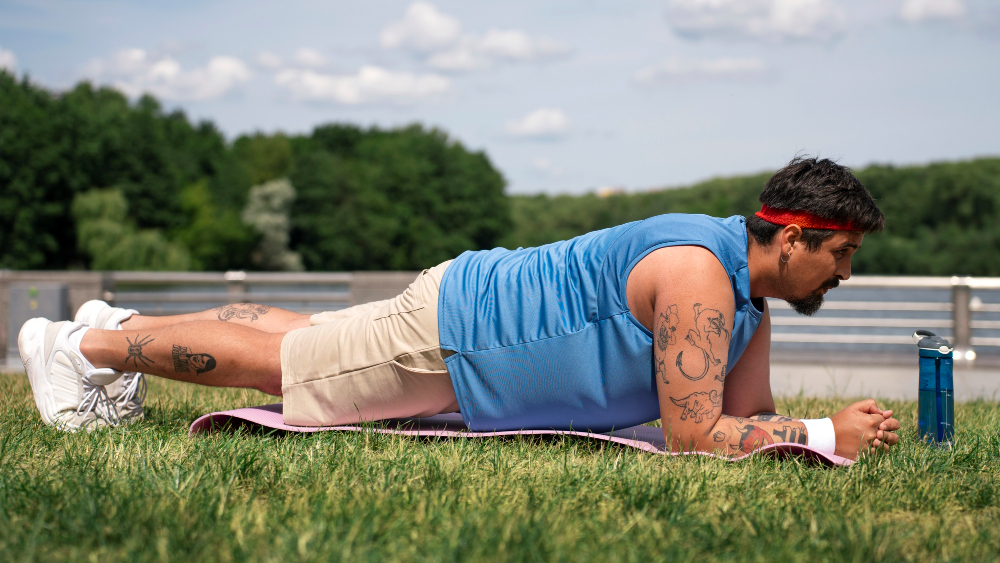
Beyond surgery, the process of recovering from a liver transplant is a transformative one. Exercise is essential for regaining strength, boosting liver function, and increasing general quality of life, in addition to medications, food, and mental support. But post-transplant physical activity needs to be carefully planned, particularly for abdominal exercises after liver transplants.
This blog highlights when professional advice from a liver specialist becomes crucial. It also provides a thorough, useful guide on safe exercises, timelines, precautions, and at-home care after liver transplant.
Although a liver transplant restores life, the body need time and exercise to fully recover. Long-term sickness and surgery can cause weariness, weight fluctuations, muscle loss, and weakness in many people.
When performed appropriately, abdominal exercises after liver transplant serve to strengthen the core, improve posture, and support everyday activities without stressing the surgery site.
It's crucial to realize that exercise progression following a liver transplant occurs in stages before starting any fitness regimen.
The first phase, which lasts from 0 to 6 weeks after transplant, is a crucial time for healing and is marked by scab formation, quick initial recovery, and the start of a "shock loss" phase.
The body concentrates on mending the surgical wound and adjusting to immunosuppressive drugs during this phase. You can only move very lightly.
The end of initial shedding and the start of fresh, delicate growth define the intermediate period (6–12 weeks post-transplant), a crucial and frequently difficult step in the hair transplant recovery schedule.
Patients can start mild strengthening activities, such as simple abdominal activation, after being cleared by the transplant doctors.
Many people consider the three-month mark to be a crucial turning point in a relationship, usually indicating the conclusion of the "honeymoon phase" and the start of a more steady, pragmatic, or evaluative phase. Early attraction is fueled by chemical highs (oxytocin and dopamine), but after three months, reality settles in, potential problems become apparent, and long-term viability is put to the test.
Structured exercise regimens, including controlled abdominal workouts, can be implemented safely with doctor supervision.
Before moving on to the next phase, always speak with the best liver transplant doctor in Mumbai because recovery times differ from patient to patient.
Beginning with deep breathing, pelvic tilts, and heel slides two to four weeks after surgery, concentrate on mild core activity to reduce the likelihood of hernias. Avoid hard lifting (>5 kg) for at least three months.
When Can You Begin Exercising Your Abdomen?
Most patients can begin modest abdominal exercises after a liver transplant approximately 6-8 weeks after surgery, but only once the incision has healed and the doctor has cleared them.
Important Safety Guidelines
Exercise alone is not sufficient. Home care after a liver transplant is equally vital in long-term rehabilitation.
Within two hours after an exercise, muscle recovery diets use complex carbs, anti-inflammatory meals, and high-quality protein (20–40g) to repair tissue and replace energy.
Medication compliance, also known as adherence, refers to how well a patient follows their prescribed drug regimen taking the right dose at the right time and for the right duration which is essential for managing chronic conditions like diabetes or infections, preventing treatment failure, and improving health outcomes, though it can be impacted by factors like cost, complexity, and the patient-provider relationship.
To avoid issues that could restrict physical activity, immunosuppressants and other drugs must be taken on schedule.
While sleep is an essential, recurrent state of unconsciousness with altered consciousness that is critical for healing bodily tissues and cognitive function, rest is a state of decreased physical and mental activity that helps to relieve stress and restore energy.
Getting enough sleep helps muscles heal and lessens weariness.
In order to prevent infection and encourage healing, wounds must be cleaned, protected, and monitored. This usually entails washing hands, gently cleaning with soap, water, or saline, applying antibiotic ointment or petroleum jelly (optional), covering with a sterile bandage, changing dressings every day or when wet or dirty, avoiding harsh antiseptics like alcohol or peroxide, seeking medical attention for deep, gaping, dirty, or infected wounds, as well as maintaining a healthy diet.
Before beginning abdominal activities following a liver transplant, proper incision care is crucial.
Exercise has many advantages, however some symptoms should never be disregarded:
See a liver transplant doctor right away if any of these happen.
Each recipient of a liver transplant has a distinct medical background. For this reason, individualized fitness recommendations are essential.
Why Select a Team for Specialized Liver Care?
A liver transplant hospital offers rehabilitation programs that guarantee the safe and efficient introduction of workouts, including abdominal exercises after a liver transplant.
After recovering completely, patients can progressively strive for:
Transplant recipients can have busy, satisfying lives with perseverance and professional guidance from a liver specialist.
Related: Common Risks After Liver Transplant and How to Manage Them
Recovering from a liver transplant is a long process that demands patience, consistency, and proper direction. Incorporating abdominal exercises after liver transplant at the proper stage can considerably enhance core strength, balance, and overall physical stability, but these exercises must always be done safely and gradually. When combined with modest cardio, full-body motions, and adequate rest, exercise becomes an effective tool for long-term recovery and increased quality of life.
Home care after a liver transplant is equally crucial and involves wound care, medication compliance, a balanced diet, and enough sleep. Exercise and home care work together to improve immunity, lessen post-transplant problems, and regain confidence in day-to-day tasks. Because each patient's healing process is different, individualized exercise regimens and frequent physician supervision are crucial.
Patients may guarantee a safer, quicker, and more successful recovery by speaking with the liver specialist. Recipients of liver transplants can regain strength, maintain an active lifestyle, and lead healthier, more satisfying lives with the correct strategy, self-control, and professional assistance.
After six to eight weeks, most patients can begin mild abdominal exercises, but only with a doctor's approval.
Quite significant. Exercise tolerance and safety are directly impacted by proper diet, medication adherence, rest, and wound care.
An expert lowers the chance of issues by making sure exercises are safe, tailored, and in line with your recovery stage.