
Our Expertise
Heart and Lung Transplant Programme
HEART & LUNG FALIURE MANAGEMENT
Transplantation is the current gold standard and only definitive solution. In patients with end-stage heart failure considered too unstable to wait for suitable organ donor, biventricular or left ventricular assist devices (LVAD) can be employed to improve the quality of life and survival.
Our team comprises of Heart Failure Cardiologists, Electro Physiologists and Device Specialists, Mechanical Support Device Specialist,Transplant Anaesthetists, Transplant Intensivists, Cardiovascular & Thoracic Surgeons, Heart & Lung Transplant Surgeons, Transplant Physicians. Physiotherapists, Dietitian, Nurses, Social Worker and Counsellor, Palliative Care Specialist for comprehensive care for heart failure patients.
We offer guideline directed medical therapy, coordinated care and continuity of care across various disciplines involved in managing these patients.
WHO REQUIRES A HEART TRANSPLANT ?
- Cardiomyopathy
- Coronary Artery Disease
- Hypertensive (High Blood-Pressure) Cardiomyopathy
- Ischemic Cardiomyopathy
- Myocarditis
- Systolic Heart Failure (HFrEF)
- Cardiac Amyloidosis
- Cardiac Tumor
- Chemotherapy-Related Cardiomyopathy
- Congenital Heart Disease In Adults
- Constrictive Pericarditis
- Diastolic Heart Failure (HFPEF)
- Dilated Cardiomyopathy
- Familial Cardiomyopathy
- Heart Valve Disorders
- Hemochromatosis
- Hypertrophic Cardiomyopathy
- Non-Compaction Cardiomyopathy
- Postpartum (After Giving Birth)
- Cardiomyopathy
- Pulmonary Hypertension
- Restrictive Cardiomyopathy
- Sarcoidosis
- Ventricular Tachycardia
HEART FAILURE AND TRANSPLANT
In today's times, combined with demographic improvement in life expectancy and recent improvements in treatment of heart failure, the proportion of patients that develop advanced heart failure has also increased substantially. The majority of the patients with "end-stage" heart failure falls in stage D of ACC/AHA classification and NYHA class 3 or 4. These patients demonstrate a particularly high 5 year mortality of 80%. While heart failure medications and in certain cases, cardiac resynchronization therapy or implantable cardiac defibrillators have improved the quality of life and survival in heart failure patients, overall morbidity and mortality is still high. Refractory end-stage heart failure patients ultimately require either short or long term Mechanical Circulatory Support (MCS) or heart transplantation.
HEART TRANSPLANT
Heart transplantation is a surgical procedure where a diseased or failing heart is replaced with a healthy donor heart, typically performed when other treatments fail, such as in cases of end-stage heart failure. Post-transplant, patients require lifelong immunosuppressive medications to prevent organ rejection. The procedure offers several benefits, including:
- Improved Quality of Life: Heart transplant significantly enhances energy levels and physical functioning, allowing patients to return to daily activities.
- Extended Life Expectancy: It offers a chance for prolonged survival in cases of end-stage heart failure, improving life expectancy.
- Relief from Symptoms: Transplantation eliminates severe symptoms like shortness of breath, fatigue, and fluid retention caused by heart failure.
- Restoration of Heart Function: The healthy donor heart restores normal heart function, improving circulation and oxygen delivery to the body.
- Enhanced Psychological Well-being: The procedure can positively impact mental health, reducing anxiety and depression associated with chronic heart disease.
LUNG FAILURE AND TRANSPLANT
Damaged lungs makes it difficult for the body to get the oxygen it needs for metabolism. A variety of conditions can damage the lungs such as COPD, Pulmonary Fibrosis, Pulmonary Hypertension and Covid Infection.
Lung damage is treated with medications, BIPAP, home oxygen therapy. In patients with end stage lung disease, a lung transplant is an effective treatment to bring back easy breathing and improve survival. The transplant surgery is indicated, if the patient is not responding to other methods of treatment and life expectancy is less than 2 years without transplant.
WHO REQUIRES LUNG TRANSPLANT ?
- Idiopathic Pulmonary Fibrosis
- Alpha-1 Antitrypsin Deficiency
- Sarcoidosis
- Obliterative Bronchiolitis
- Suppurative Lung Disease
- Cystic Fibrosis
- Eosinophilic Granulomatosis
- Occupational Lung Disease
- Hypersensitivity Pneumonitis
- Drug Toxicity
- Bronchiectasis
- Lymphangioleiomyomatosis
- Obstructive Lung Disease
- Emphysema
- Vascular Lung Disease
- Primary Pulmonary Hypertension
- Eisenmenger's Pulmonary Hypertension
- Chronic Pulmonary Emboli
LEFT VENTRICULAR ASSIST DEVICE (LVAD)
A Left Ventricular Assist Device (LVAD) is a mechanical pump used to support heart function in patients with severe heart failure. It helps the heart pump blood, either as a bridge to heart transplantation or as long-term therapy for those ineligible for a transplant.
Benefits of LVAD:
- Improved Heart Function: LVAD supports the left ventricle, enhancing blood flow and alleviating heart failure symptoms.
- Increased Life Expectancy: It provides a potential long-term solution, increasing survival rates for patients with end-stage heart failure.
- Enhanced Quality of Life: LVAD helps reduce fatigue and shortness of breath, allowing patients to resume normal activities.
- Bridge to Transplant: LVAD serves as a temporary solution while waiting for a heart transplant.
- Reduced Hospitalizations: It can reduce the frequency of hospital admissions due to heart failure complications.
OUR TEAM OF EXPERTS
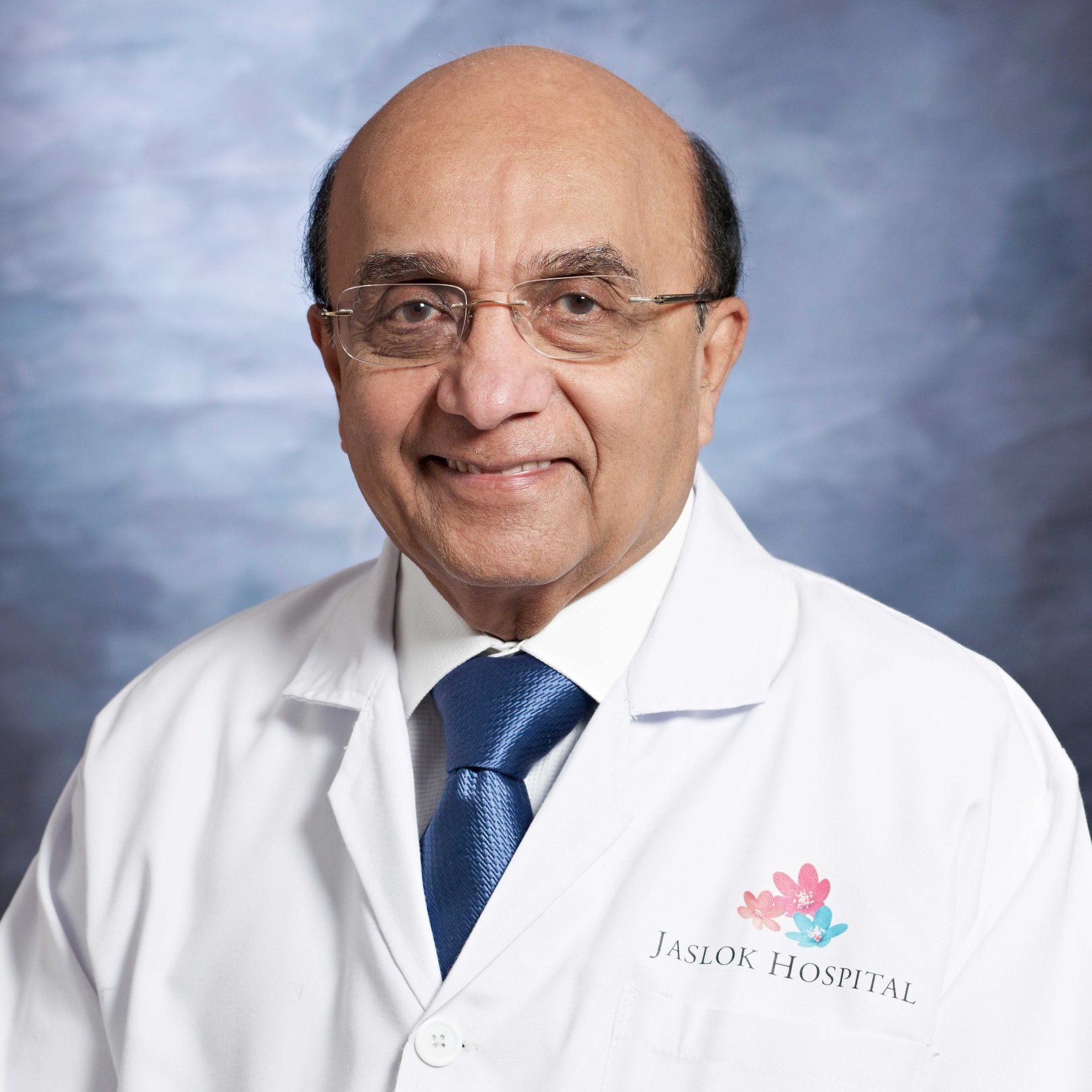
Mentor: Dr A B Mehta
Chief Surgeon: Dr Sandip Attawar
Heart Failure Cardiologist Heart Transplant & Cardiovascular Surgeon
Dr Rahul Chhabria Dr Upendra Bhalerao
Dr Nihar Mehta Dr Mahesh B N
Dr Bharat Shivdasani Dr Amit Karad
Dr Arif Khan
Dr Nagesh Waghmare
Dr Nikesh Jain
Heart & Lung Transplant Anaesthetists Heart & Lung Transplant Intensivist
Dr Rajashree Agaskar Dr Indraneel Raut
Dr Anurag Jain Dr Anand Bhabhor
Dr Mohit Rohra Dr Pinank Pandya
Dr Prabhat Dutta
Dr Anoop Mohandas
Heart & Lung Transplant Pulmunologist
Dr Unmil Shah

What Differentiates Us
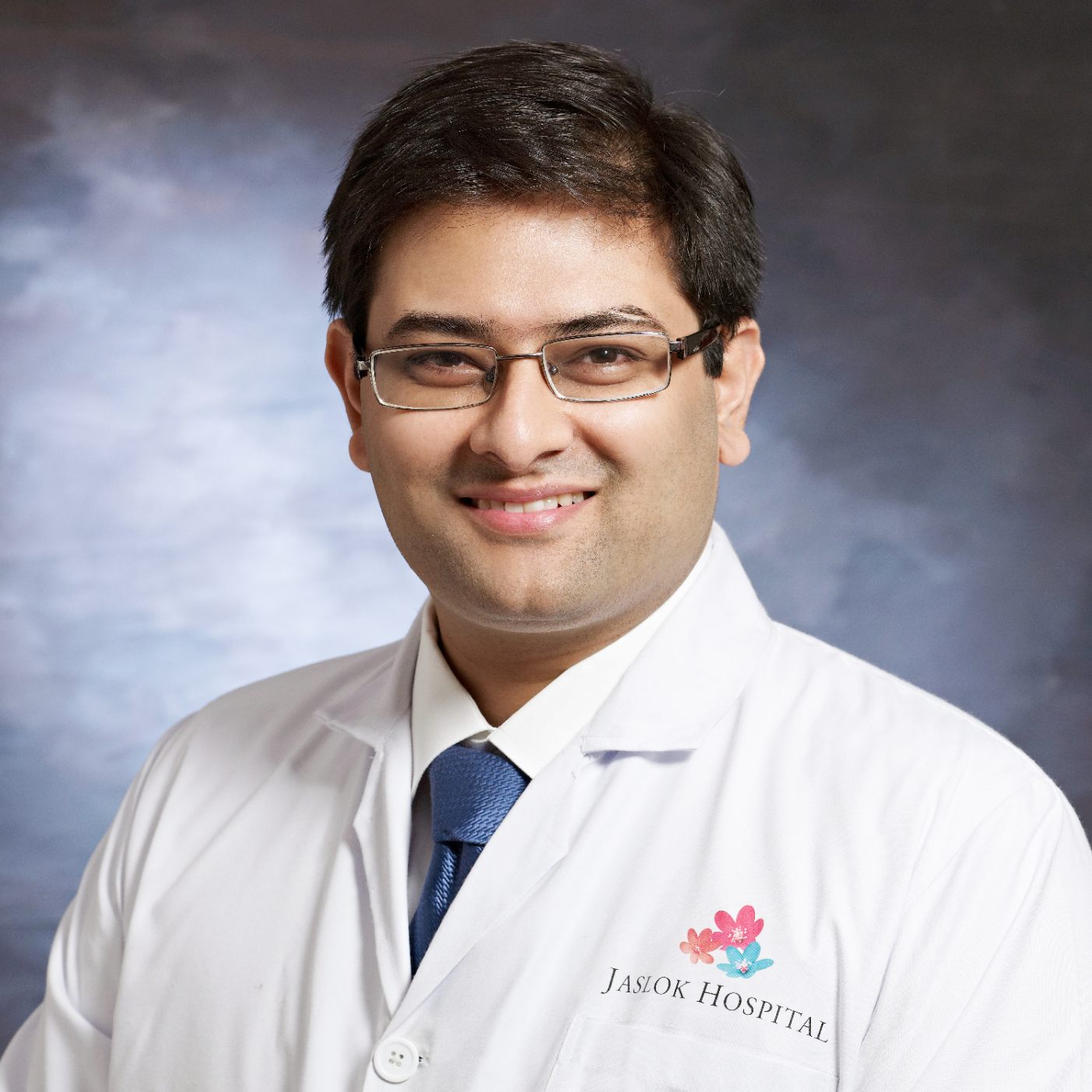
- Comprehensive Heart & Lung transplant programme led by Padmabhushan Dr A B Mehta, Mentor and Dr Sandeep Attawar, Chief Surgeon of the Heart & Lung Transplant Programme & Dr Upendra Bhalerao, Consultant Cardio Vascular Thoracic Surgery & Heart Transplantation.
- Dedicated Heart & Lung Transplant Operation Theatres (OT) and a dedicated Intensive Care Unit (ICU)
- Transplant surgeons, cardiologists, anaesthetists, intensivists, interventional radiologists, infection control specialists, specialist transplant nurses, blood bank specialists, transplant coordinators and OT and ICU nurses to provide integrated care
- Comprehensive pre-transplant evaluation and assessment, including advanced imaging and laboratory tests
- Personalised care to each patient, taking into account their unique needs and medical history
- Post-transplant care, including regular follow-up appointments, monitoring of heart & lung function, and management of immunosuppressive medications
- Active research and participation in clinical trials to stay up-to-date with the latest advancements in the field
Key Technologies
- State-of-the-art pre-procedure evaluation tools such as Advanced Cath Lab, 3D Echocardiography and devices for endomyocardial biopsy for surveillance
- Cutting-edge ECMO machines and Centrimag VAD System for bridge to heart and lung transplant.
- State-of-the-art organ preservation technology, such as machine perfusion systems
Key Procedures
Our Experts
Jaslok Hospital boasts over 300 eminent physicians, many of whom are trailblazers in their specialized domains. Moreover, they have garnered a reputation for devising groundbreaking and inventive clinical protocols.
Find a Doctor/Specialist