


Page Under Maintenance
This page is currently under maintenance.
Please communicate at the hospital help desk for assistance.
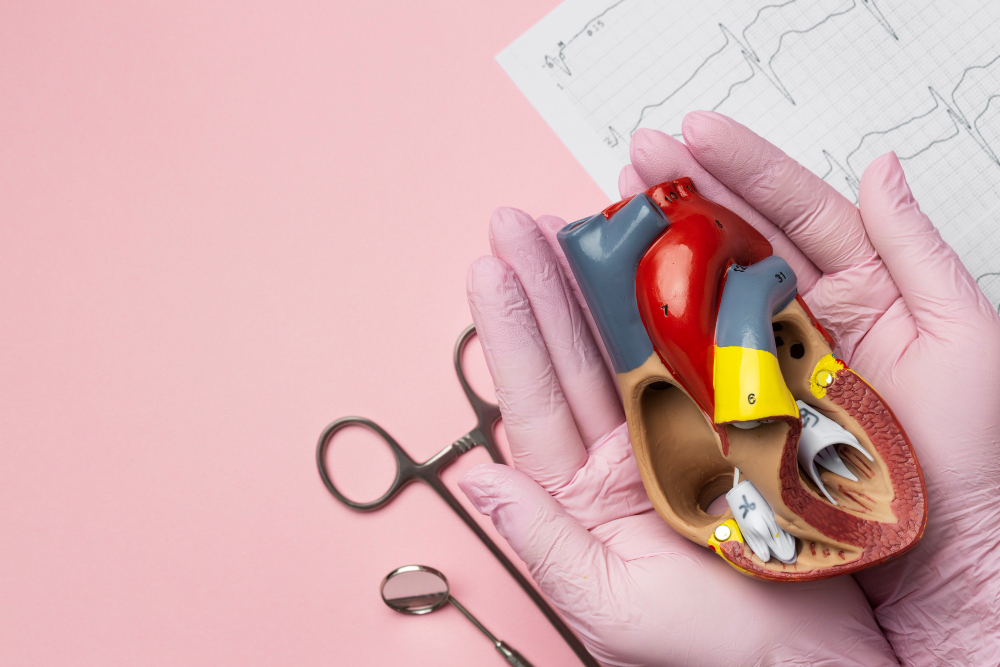
Transcatheter Aortic Valve Implantation (TAVI), also known as Transcatheter Aortic Valve Replacement (TAVR), is one of the most innovative developments in modern cardiac care. For patients with severe aortic stenosis, a potentially fatal constriction of the aortic valve, it provides a safe, minimally invasive treatment.
TAVI has revolutionized heart-valve care during the last ten years, particularly for patients who are too old or medically incompetent for open heart surgery. TAVI has become a very popular heart valve operation due to its shorter hospital stays, faster healing, and high success rate.
This detailed explanation explains what TAVI is, how the operation works, who requires it, and, most importantly, what to expect during TAVI procedure recovery. Patients in India, especially those seeking the TAVI treatment, would also find this guide beneficial.
Understanding Aortic Stenosis
The disease known as aortic stenosis causes the aortic valve to narrow, stiffen, and become unable to fully open. This exerts great pressure on the heart and lowers the oxygen-rich blood flow to the body. If left untreated, it can lead to fatigue, dyspnea, fainting, chest pain, and eventually heart failure.
The only available therapy option in the past was open heart valve replacement surgery. However, because of their advanced age or health issues including diabetes, kidney illness, or lung issues, many patients were deemed high-risk. By providing a quicker, less intrusive, and safer option, TAVI completely transformed the game.
What Is TAVI? How Does It Operate?
TAVI includes putting a new artificial valve inside the patient’s damaged aortic valve using a catheter - often through the groin (femoral artery). It is significantly less dangerous than traditional surgery since there is no need to stop the heart or access the chest.
How the TAVI Procedure Works?
Using a catheter introduced through an artery, typically in the leg, the TAVI (Transcatheter Aortic Valve Implantation) surgery replaces a constricted aortic valve.
A pre-procedure assessment is a medical evaluation to confirm a patient is fit for surgery, identify and manage risks, and prepare for the procedure.
Patients go through a comprehensive evaluation that includes blood testing, angiography, echocardiography, and CT scans. This guarantees their suitability as candidates and aids physicians in determining the safest course of action. Senior cardiologists at the best TAVI hospital in Mumbai employ latest diagnostic instruments for precise assessment.
The procedure of giving a patient medication to prevent pain is known as anesthesia administration. This can involve techniques like local anesthetic for a small, focused area, regional anesthesia to numb a particular body part, or general anesthesia to create a sleep-like state.
Depending on the patient’s condition and doctor’s preference, TAVI may be performed under:
Most newer institutions use conscious sedation as it allows quicker recovery.
The new valve is placed through a tiny tube called a catheter:
The catheter is directed to the heart with great care.
The term "new valve deployment" most frequently refers to Transcatheter Aortic Valve Replacement (TAVR), a minimally invasive operation that uses a catheter to replace a damaged aortic heart valve.
After the artificial valve is properly positioned inside the existing valve, it is inflated using:
The replacement valve immediately begins operating, allowing blood to flow properly.
A medical practitioner must deflate the balloon before carefully removing the catheter. Afterwards, apply pressure to the spot for 5-10 minutes, clean it, and cover it with a sterile bandage. Keep an eye out for any indications of infection, blood in the urine, and, if necessary, difficulty or incapacity to urinate.
The catheter is removed, and the access site is sealed. The patient is then transported to a recovery room or ICU for monitoring.
Who Requires the TAVI Process?
Individuals with severe symptomatic aortic stenosis, especially those who cannot undergo conventional open heart surgery due to high risk.
TAVI is advised for:
Today, TAVI is also being offered to select low-risk patients because to its great long-term success rates.
Benefits of TAVI Compared to Open Heart Surgery
Transcatheter Aortic Valve Implantation (TAVI) offers several important advantages over traditional open-heart surgery, principally due to its minimally invasive nature. Because of this, TAVI is particularly appealing to high-risk or elderly patients who might not be good candidates for traditional surgery.
Because minimally invasive surgery makes smaller incisions rather than larger ones, it is less painful and heals more quickly than standard open surgery. Because there is less tissue and muscle damage with this method, there is less chance of infection, blood loss, and post-operative pain. The benefits extend to a shorter hospital stay and quicker return to daily activities.
Since there's no major chest incision, patients heal more pleasantly and rapidly.
Prioritize getting enough sleep, drinking plenty of water, and eating a balanced diet with enough protein and carbohydrates to repair muscles if you want to recover more quickly.
Many patients are able to walk within 24–48 hours. This makes TAVI procedure recovery considerably easier compared to open-heart surgery, which may need months.
"Ideal for high-risk patients" often refers to a complete and proactive management approach that includes aggressive risk factor control, using a combination of evidence-based lifestyle changes, medication, and targeted therapies.
Initially, TAVI was created for individuals who were too delicate for conventional surgery. Now, even intermediate-risk individuals benefit from this safer approach.
"Excellent long-term outcomes" is a word used across several sectors, notably medical and research, to characterize the sustained favorable benefits of an intervention, treatment, or procedure observed over an extended period (typically 10 or more years).
Most patients exhibit significant improvement in cardiac function, respiration, and general energy levels.
TAVI Procedure Recovery: What to Anticipate?
Recovery varies from patient to patient, but below is a rough guide.
Most persons report considerable benefits in:
Doctors may recommend cardiac rehabilitation and lifestyle adjustments.
TAVI valves last years and act like natural valves. Long-term safety is ensured through follow-ups.
Advanced post-procedure care and quicker recovery support are typically provided to patients who select the best TAVI hospital in Mumbai.
Risks and Complications of TAVI
Risks of Transcatheter Aortic Valve Implantation (TAVI) include bleeding and infection at the insertion site, stroke, and kidney injury.
Although TAVI is safe, there are a few possible risks:
Minor risks are circumstances having a low possibility of occurring and a modest impact if they do.
Choosing the proper "center" matters since the best option largely depends on its unique function.
Selecting the TAVI clinic in Mumbai decreases risks as advanced imaging technologies, trained surgeons, and thorough post-operative care ensure safe outcomes.
Transcatheter Aortic Valve Implantation (TAVI) has altered the way doctors treat severe aortic stenosis, especially for elderly and high-risk patients. Every year, TAVI gives thousands of patients fresh hope and a higher quality of life thanks to its minimally invasive technique, quicker healing, and superior long-term results. Patients feel more assured and ready for their course of therapy when they are aware of how the process operates, from diagnosis to valve implantation and TAVI procedure recovery.
With the TAVI treatment in Mumbai, backed by highly skilled professionals and top-notch facilities, Mumbai has become a top location for modern cardiac care. Choosing the TAVI clinic in Mumbai ensures safe treatment, exact diagnosis, and expert-guided rehabilitation.
For anyone facing aortic stenosis, TAVI represents a safe, effective, and life-changing alternative to open-heart surgery – allowing patients return to a healthier, more active life with renewed confidence. Let your care team assist you through this journey so you can make the best decisions for your heart health.
FAQs
TAVI uses a catheter-based technique to replace the aortic valve without requiring open cardiac surgery.
Most patients recover within 1–2 weeks, substantially faster than standard valve surgery.
Leading hospitals with cath labs, modern cardiac care, and skilled experts are good candidates.