

Page Under Maintenance
This page is currently under maintenance.
Please communicate at the hospital help desk for assistance.
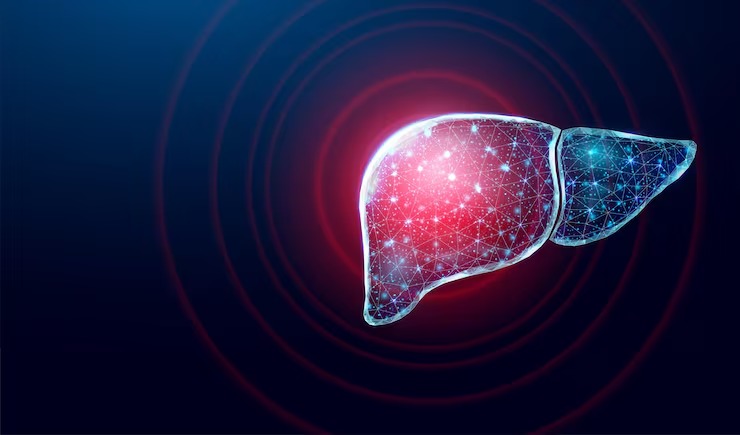
One of the most important organs in the human body, the liver is in charge of hundreds of key processes, including the production of proteins needed for blood clotting and digestion as well as the detoxification of dangerous compounds and nutrient metabolism. Over time, the liver can quietly degrade despite its amazing capacity for regeneration. The fact that liver failure's early symptoms are frequently subtle, ambiguous, and easily written off as minor health problems makes it more deadly.
Ignoring these warning indicators may have serious complications or even potentially fatal consequences by delaying diagnosis and treatment. You may take prompt action and safeguard your long-term health by being aware of the early signs of liver failure.
When a sizable section of the liver sustains injury and is unable to function normally, liver failure results. It might grow:
Since liver damage may still be reversible in the early stages, early identification is crucial in both situations.
Because the liver lacks pain receptors like other organs, damage can occur without anybody noticing. Early symptoms are frequently vague and resemble common illnesses including viral infections, stress, or dyspepsia. For this reason, a lot of patients wait to seek medical attention until their illness has progressed.
Persistent fatigue that does not go away with rest is one of the first and most prevalent signs of liver impairment.
Toxins build up in the blood due to the liver's inability to eliminate them, which causes both physical and mental exhaustion.
A failing liver affects digestion and metabolism, often resulting in:
This happens as a result of altered food absorption and decreased bile production, which interfere with the body's natural hunger signals.
Digestive issues are early red flags of liver problems, including:
The liver is essential for the digestion of fat. When it doesn't work, the digestive system becomes ineffective, which frequently causes discomfort.
The liver itself is painless, however inflammation can cause the capsule around it to extend, which can lead to:
Even while this discomfort is usually little at first, it should never be disregarded, particularly if it continues.
Jaundice is a classic sign of liver dysfunction and may appear gradually:
This occurs when bilirubin, a waste product produced during the breakdown of red blood cells, is not efficiently processed by the liver.
Persistent, unexplained itching, particularly in the absence of obvious skin changes, may be a precursor to liver disease.
This discomfort is often disregarded or confused with allergies or dry skin.
Proteins necessary for blood coagulation are produced by the liver. Early liver failure may result in:
These symptoms point to reduced clotting function and should be evaluated by a doctor very away.
Fluid retention is another early sign of liver dysfunction:
This happens as a result of decreased production of albumin, a protein that keeps the blood's fluid equilibrium.
Hepatic encephalopathy is a disorder where brain function is impacted by early liver failure.
When poisons that are typically filtered by the liver enter the brain, these alterations take place.
Pay attention to subtle changes such as:
These symptoms indicate issues with the liver's vital function of producing and excreting bile.
Certain individuals should be especially vigilant about early symptoms:
Regular health check-ups are crucial for high-risk groups.
Seek medical attention immediately if you experience:
Early detection can lessen the need for invasive procedures like liver transplantation and stop the development of permanent liver disease.
Doctors may recommend:
Timely medical care and lifestyle changes are often effective in treating early-stage liver disease.
In many cases, yes—especially when detected early. Reversal depends on:
The liver has a strong capacity for regeneration, but only if injury is detected early.
Preparing for a Liver Transplant: Essential Tips
Rarely can liver failure happen overnight. Long before significant harm occurs, it transmits warning signals, but they are sometimes imperceptible and simple to overlook. Your liver may be requesting assistance if you experience persistent weariness, digestive problems, skin changes, mental fog, and fluid retention.
Seeking prompt medical help and paying attention to your body can mean the difference between healing and permanent harm. The first step in preventive is raising awareness, and early discovery saves lives.
Jaslok Hospital is well-known for top care in liver tranplant in Mumbai, skilled hepatologists, and sophisticated liver care. Jaslok Hospital guarantees early identification, accurate diagnosis, and thorough treatment for liver illnesses with a patient-centric approach, state-of-the-art technology, and a rich tradition of clinical quality. This helps patients achieve better outcomes through prompt and skilled medical care