

Page Under Maintenance
This page is currently under maintenance.
Please communicate at the hospital help desk for assistance.
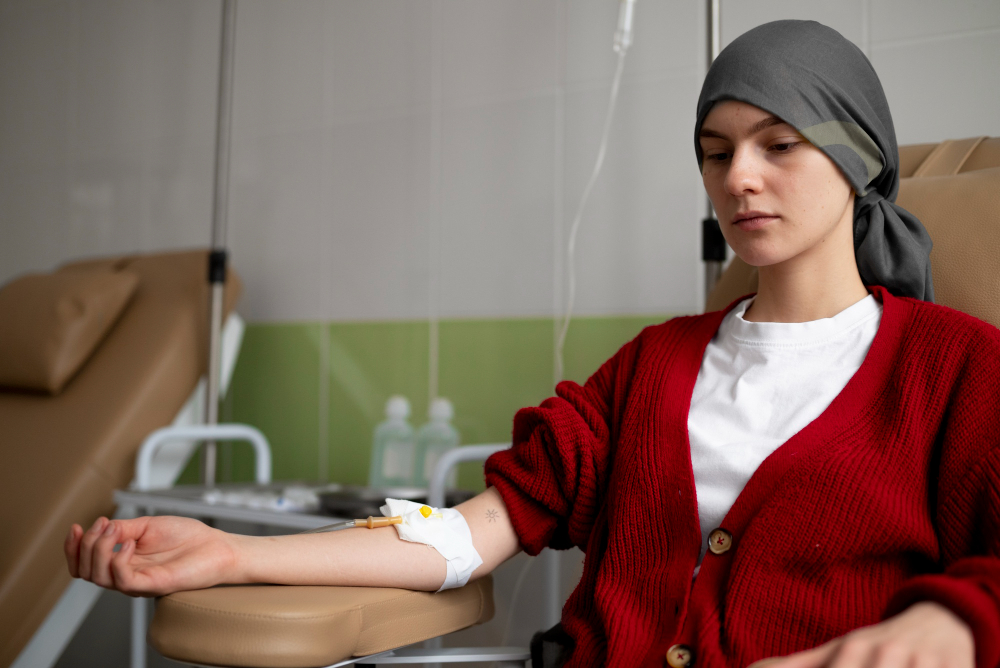
Cancer treatment is a crucial process aimed at destroying cancer cells, controlling their spread, and improving survival rates. However, it often brings various side effects that affect both physical and emotional health. Understanding the cancer treatment side effects and learning how to manage them can make the journey easier and improve overall well-being. Comprehensive cancer care today focuses not only on eliminating cancer but also on ensuring comfort, mental stability, and better recovery outcomes.
Cancer treatments vary based on the type and stage of the disease, but all aim to eliminate cancer cells or stop their growth. These treatments can affect healthy cells too, leading to side effects that differ among patients. Awareness, monitoring, and timely management play a key role in minimizing their impact and enhancing treatment success.
While treatments like chemotherapy and radiation therapy destroy fast-growing cancer cells, they also harm normal cells that divide quickly, such as those in the skin, hair, and digestive system. This results in fatigue, nausea, and skin changes. However, these effects are temporary and fade after treatment completion. By closely monitoring health and maintaining regular communication with healthcare providers, side effects can be managed effectively for a smoother recovery process.
Personalized cancer care tailors treatments to individual needs, considering cancer type, genetics, and overall health. This approach reduces unnecessary toxicity while improving treatment precision. For instance, genomic testing helps identify which therapies are most effective for specific patients. Consulting experts at the best radiation oncology hospital in Mumbai ensures advanced technologies like image-guided radiation therapy, which targets tumors more precisely and minimizes damage to healthy tissue, offering patients safer, more effective care.
Recent medical advancements have transformed cancer care into a more targeted and patient-centered process. Innovations like proton beam therapy, robotic-assisted surgery, and immuno-oncology minimize side effects while improving accuracy and effectiveness. These breakthroughs allow for shorter hospital stays, faster recovery, and higher success rates. As technology continues to evolve, modern oncology aims to provide holistic care that addresses not only the disease but also the overall well-being of patients.
Chemotherapy remains one of the most effective cancer treatments, but its impact on rapidly dividing healthy cells can cause several side effects. Understanding these effects and applying practical strategies helps patients maintain strength and resilience throughout their treatment journey.
Fatigue from chemotherapy can be intense and may affect daily activities. It often results from the body’s effort to repair itself and manage treatment stress. Getting adequate sleep, maintaining hydration, and consuming a balanced diet can help. Light exercises like walking or yoga boost energy levels and improve mood. Emotional support from family and friends also plays a vital role in reducing exhaustion and keeping motivation high during the course of treatment.
Hair loss usually starts a few weeks after beginning chemotherapy and can impact self-esteem. Using mild shampoos, avoiding harsh hair products, and protecting the scalp from sun exposure are simple but effective steps. Some patients benefit from scalp cooling systems, which reduce hair thinning. Skin sensitivity and dryness are also common; applying gentle moisturizers, avoiding long hot showers, and wearing soft fabrics can soothe irritation and improve comfort.
Nausea occurs because chemotherapy affects the stomach and brain’s vomiting center. Doctors often prescribe antiemetic medicines to control it. Eating small, frequent meals helps maintain nutrition without overwhelming the stomach. Bland foods like rice, bananas, and toast can ease discomfort. Patients should stay hydrated with water, herbal teas, and soups. Maintaining a food diary and consulting a dietitian helps track appetite changes and ensures proper nutrient intake during treatment.
Radiation therapy uses high-energy rays to destroy cancer cells and shrink tumors. Although it’s a localized treatment, it may cause side effects in the area being treated. With modern equipment and expert care, most side effects can be minimized or fully reversed.
Radiation can cause redness, dryness, and peeling in the treated area due to damage to healthy skin cells. Keeping the skin clean and dry, avoiding tight clothing, and applying dermatologist-recommended creams can help. It’s important not to scratch or rub the affected area. At the best radiation oncology hospital in Mumbai, advanced technologies like intensity-modulated radiation therapy (IMRT) reduce skin damage and improve recovery time.
Fatigue is a common side effect during and after radiation therapy. It often develops gradually and can last for several weeks. Patients should maintain regular rest periods, stay physically active with light movements, and practice deep breathing exercises. Balanced nutrition, including fresh fruits and lean proteins, can enhance energy levels. Keeping a positive mindset and engaging in light hobbies also help manage fatigue effectively.
Radiation therapy can cause appetite loss, especially when targeting the abdominal or chest area. Patients are encouraged to eat smaller, nutrient-dense meals rich in vitamins and proteins. Smoothies, soups, and soft foods are easier to consume when appetite is low. Dietitians can create personalized meal plans to meet calorie needs and maintain strength during therapy. Maintaining hydration is equally vital for energy restoration.
Immunotherapy activates the immune system to identify and attack cancer cells. Although it’s highly effective, the immune response can sometimes lead to inflammation or mild organ-related side effects.
Some patients experience fever, joint pain, or mild inflammation during immunotherapy. These are signs that the immune system is active. Doctors may use corticosteroids or antihistamines to control symptoms. Regular check-ups ensure that inflammation does not progress. Staying hydrated and avoiding unnecessary physical strain can reduce discomfort and support overall recovery.
Skin rashes and dryness can appear as a result of immune activation. Using gentle cleansers, applying soothing creams, and avoiding direct sunlight help protect the skin. Pigmentation changes usually fade after treatment ends. Adequate water intake and antioxidant-rich foods like berries and leafy greens can help repair skin faster and improve overall tone.
Immunotherapy can sometimes lead to mild cough, diarrhea, or lung inflammation. Patients should avoid smoking and limit spicy or oily foods that may worsen symptoms. Doctors often prescribe medications to reduce inflammation and restore balance. With proper monitoring, these side effects are manageable, allowing patients to continue therapy safely.
Targeted therapy attacks cancer-specific molecules, causing fewer side effects than chemotherapy. However, certain mild reactions like diarrhea, high blood pressure, or liver irritation may still occur.
Digestive discomfort or diarrhea is common during targeted therapy. Consuming soft, bland meals and avoiding caffeine and alcohol can help. Keeping hydrated with electrolyte-rich fluids restores body balance. Doctors may prescribe anti-diarrheal medications to prevent dehydration and ensure steady recovery.
Some targeted drugs can increase blood pressure levels. Patients should check their blood pressure regularly and adopt a low-sodium diet. Regular walks, stress management, and meditation help maintain healthy circulation. If hypertension persists, doctors may adjust the therapy or prescribe medications to stabilize it.
Targeted therapy may affect liver function. Avoiding alcohol, processed foods, and excess sugar supports liver health. Regular blood tests are essential to monitor enzyme levels. Patients should include antioxidant-rich foods like turmeric, spinach, and citrus fruits in their diet to support liver recovery and strengthen immunity.
Cancer affects emotional health as deeply as physical health. Anxiety, depression, and fear are common during treatment, but emotional resilience can greatly improve recovery.
Professional counseling and therapy sessions help patients cope with stress. Activities like mindfulness meditation, reading, and gentle exercise also improve mood. Emotional support from friends, family, and care teams strengthens confidence and helps manage emotional distress.
Connecting with other patients through support groups provides motivation and hope. Sharing experiences reduces loneliness and creates emotional balance. Hospitals and the best radiation oncology hospital in Mumbai often organize wellness programs to encourage emotional healing alongside medical treatment.
Maintaining a positive attitude plays a vital role in recovery. Practices such as journaling, gratitude, and prayer bring peace and optimism. Engaging in hobbies or creative activities helps patients focus on joy and strengthens emotional endurance throughout treatment.
Radiation vs. Chemotherapy: Key Differences Explained
A nutritious diet supports strength, immunity, and healing during cancer treatment. Proper hydration prevents dehydration, fatigue, and kidney strain.
|
Nutrient |
Importance |
Sources |
|
Protein |
Builds and repairs body tissues |
Eggs, chicken, lentils |
|
Carbohydrates |
Provides steady energy |
Rice, whole grains, sweet potatoes |
|
Fats |
Supports hormone and cell function |
Avocado, nuts, olive oil |
|
Vitamins |
Boosts immune defense |
Fruits, vegetables, grains |
|
Minerals |
Strengthens bones and muscles |
Spinach, dairy, seeds |
|
Fluids |
Maintains hydration |
Water, soups, herbal teas |
A well-planned diet designed by a nutritionist ensures patients get essential nutrients and maintain a strong immune system to cope with cancer treatment side effects effectively.
Managing cancer treatment side effects is a core part of complete cancer care. It involves balancing medical, emotional, and nutritional support for full recovery. With modern medical advancements, personalized therapy, and compassionate care, patients can live healthier, more fulfilling lives during and after treatment. Choosing expert facilities like the best radiation oncology hospital in Mumbai ensures that every aspect of recovery is handled with expertise and empathy.
The most common cancer treatment side effects include fatigue, nausea, hair loss, skin irritation, appetite changes, and emotional stress.
The duration of side effects depends on the type of treatment and the individual’s health condition.
Yes, a balanced diet and light exercise play an essential role in managing side effects.