


Page Under Maintenance
This page is currently under maintenance.
Please communicate at the hospital help desk for assistance.
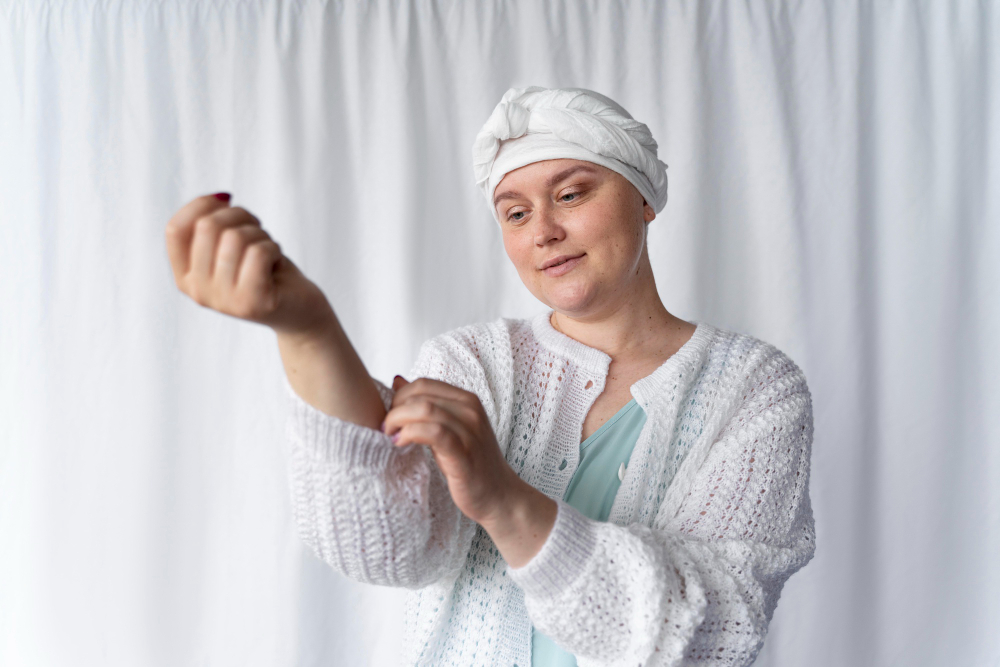
Chemotherapy is among the most potent and efficacious treatments for cancer; however, it can induce considerable changes in the body, particularly affecting the skin. Chemotherapy targets rapidly proliferating cancer cells, but it can also impact healthy cells, such as those that help keep your skin hydrated, elastic, and protected. This may result in dryness, sensitivity, rashes, pigmentation changes, peeling, or even acne-like breakouts.
A considerate and reliable skin care regimen can greatly lessen discomfort, safeguard your skin, and assist you in preserving confidence and well-being throughout treatment. This guide details optimal skin care routines for patients undergoing chemotherapy, covering daily practices, endorsed products, and medically approved methods to aid healing.
Why Chemotherapy Affects the Skin
To take effective care of your skin, understanding the reasons for changes can be beneficial. Chemotherapy medications travel through your blood and aim at cells that divide quickly. Regrettably, skin cells, hair follicles, and nails also grow at a rapid pace, leading to their impact as well.
Common chemo-related skin issues include:
Due to these side effects, a proactive skincare routine is necessary, not just a luxury.
Daily Skin Care Routine for Chemotherapy Patients
Presented below is a skin care regimen that is safe and endorsed by dermatologists, tailored for individuals undergoing chemotherapy. It is mild, straightforward to follow, and very effective.
Skin affected by chemotherapy is usually very sensitive, making harsh soaps inappropriate. Stay away from cleansers that contain alcohol, sulfates, or fragrance. Opt for moisturizing cleansing lotions that do not foam.
Look for products labeled:
Good options include:
To prevent the removal of your skin's natural moisture barrier, use lukewarm water instead of hot.
The most crucial aspect of skin care during chemotherapy is hydration. The skin barrier is greatly weakened by chemotherapy, which causes moisture to escape rapidly. A rich, creamy moisturizer with occlusive properties preserves moisture and averts flaking, cracking, and irritation.
Choose ingredients like:
To lock in moisture, apply moisturizer immediately after your shower while your skin is still a little damp.
Undergoing chemotherapy can result in an extreme sensitivity of the skin to sunlight (photosensitivity). Just a few minutes of exposure to the sun can cause rashes, burns, or pigmentation.
Use a broad-spectrum sunscreen with:
Reapply every 2–3 hours if you go outdoors.
Hot water removes essential oils from the skin, worsening dryness.
Instead:
Immediately moisturize after bathing.
During chemotherapy, lips are highly susceptible due to a quick loss of moisture.
Choose lip balms containing:
Stay away from mint, menthol, or flavored balms as they may irritate cracked lips.
Reapply frequently, at least 5–6 times a day.
During treatment, hands and feet often suffer the most due to their lower number of oil glands and reduced blood circulation.
Use:
Should you observe any peeling, redness, numbness, or pain, notify your oncologist about it. These symptoms may indicate Hand-Foot Syndrome, which is related to chemotherapy.
If you prefer to wear makeup:
It is best to avoid makeup until your symptoms improve if your skin is irritated.
Avoid:
Scrubs
AHAs/BHAs (glycolic acid, salicylic acid)
Retinol or retinoids
Strong masks
Microdermabrasion
Exfoliation is not suitable for chemo skin, as it is too delicate. Mild acids can still lead to burns, redness, and peeling.
Heat can be trapped by synthetic materials, which may irritate dry or sensitive skin.
Prefer:
To prevent skin reactions, use detergents that do not contain fragrances when washing clothes.
When you experience hair thinning or loss, your scalp becomes more exposed and sensitive.
Tips:
Avoid hot oils, chemical treatments, and salon procedures.
Special Skin Concerns During Chemotherapy & How to Manage Them
Chemotherapy can lead to particular skin problems that necessitate specialized treatment.
Common with certain chemo drugs.
Do:
Avoid scratching, as it increases infection risk.
Usually caused by dryness or inflammation.
Try:
Often develops on knuckles, elbows, nails, or face.
Use:
Triggered by certain chemo drugs or stress.
Use:
Never use strong acne treatments without medical supervision.
Due to low immunity, even small cuts can lead to infections.
Precautions:
Report pus, swelling, or fever to your doctor
A Sample Daily Skin Care Routine
Being consistent is crucial, these measures avert the majority of skin problems linked to chemotherapy.
Lifestyle Tips for Healthier Skin During Chemotherapy
Small daily habits can greatly improve your skin’s resilience.
When to Contact Your Doctor
Seek medical care if you experience:
Early intervention prevents complications.
Chemotherapy can be tough, but a thoughtfully crafted skin care routine can greatly alleviate discomfort and boost your confidence. You can aid your body’s healing process from the outside in by opting for gentle products, ensuring your skin stays hydrated, and shielding it from irritants and UV rays.
Keep in mind: each patient’s experience varies, so be sure to talk about any new symptoms with your physician. During chemotherapy, it is absolutely possible to achieve healthier and more comfortable skin with consistency, patience, and supportive care.
At Jaslok Hospital, the premier facility in Mumbai for state-of-the-art cancer treatment, all patients are provided with comprehensive and empathetic assistance during their chemotherapy experience. To guarantee your comfort, safety, and quality of life, our specialized nursing teams collaborate with expert oncologists and dermatologists to manage side effects proactively. From tailored skin-care advice to top-notch treatment amenities, Jaslok Hospital supports you at each stage with reliable excellence