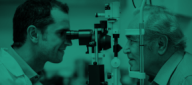
Fundus Fluorescein Angiography (FFA) and Laser Photocoagulation are often used together as a "map and compass" for treating serious retinal diseases. FFA provides a high-definition map of the blood vessels at the back of the eye, while Laser Photocoagulation is the surgical intervention used to "seal" leaks and stabilize vision.
1. Fundus Fluorescein Angiography (FFA)
What is it? (Overview & Common Names)
FFA is a diagnostic test that uses a special yellow dye (sodium fluorescein) to highlight the blood flow in the retina and choroid.
- The Procedure: A nurse or technician injects the dye into a vein in your arm. As the dye travels to your eye, a specialized camera takes a rapid series of photographs.
- Common Names: Fluorescein angiogram, retinal dye test, eye circulation test.
Common Symptoms: When to Meet a Doctor
- Blurred Central Vision: Difficulty reading or recognizing faces.
- Metamorphopsia: Straight lines (like door frames) appearing wavy or distorted.
- Floaters or "Dark Spots": Sudden appearance of spots in your field of vision.
- Sudden Vision Loss: Especially in patients with long-term diabetes or hypertension.
2. Laser Photocoagulation
What is it? (Overview & Common Names)
This is a minimally invasive surgery that uses a focused beam of light to create tiny burns on the retina.
- The Procedure: After numbing and dilating your eye, the doctor uses a laser to seal leaking vessels or "weld" a retinal tear back into place.
- Common Names: Retinal laser treatment, focal laser, grid laser, Pan-Retinal Photocoagulation (PRP).
3. List of Associated Diseases
- Diabetic Retinopathy: Leaky or abnormal blood vessels caused by high blood sugar.
- Macular Edema: Swelling in the central part of the retina.
- Retinal Vein Occlusion (RVO): A "blockage" in the eye's drainage system.
- Wet Macular Degeneration (AMD): Growth of abnormal, leaky vessels under the macula.
- Retinal Tears/Holes: Preventing a full retinal detachment.
4. Am I Eligible for These Procedures?
- FFA Eligibility: Most patients needing a detailed retinal evaluation.
- Contraindications: Significant renal (kidney) failure (as the dye is cleared by kidneys) or a history of severe allergic reactions to fluorescein dye.
- Laser Eligibility: Patients with active leakage or abnormal vessel growth confirmed by FFA or OCT scans.
- Note: Laser is generally used to stabilize vision rather than "restore" it to 20/20.
5. Pre and Post-Care Requirements
Pre-Care:
- Dilation: Your eyes will be dilated, making you sensitive to light for several hours.
- Transportation: You cannot drive yourself home after either procedure due to blurry vision.
- Medical History: Inform your doctor if you have asthma or severe allergies.
Post-Care:
- Hydration: Drink plenty of water for 24 hours to help flush the fluorescein dye from your system.
- Normal Side Effects: Your urine and skin may turn a bright yellow/orange for a day; this is normal.
- Sun Protection: Wear dark sunglasses as your pupils will remain dilated for 4–6 hours.
- Rest: For laser treatment, avoid heavy lifting or strenuous exercise for 24–48 hours if treated for a retinal tear.
6. Days Required for Hospitalization
Both FFA and Laser Photocoagulation are Outpatient/Daycare procedures.
- FFA Duration: The test itself takes about 15 minutes.
- Laser Duration: Typically takes 10 to 30 minutes depending on the type of treatment.
- Total Clinic Time: Expect to spend 2 to 3 hours at the clinic including preparation (dilation) and observation.
7. Benefits of These Procedures
- Precision Mapping: FFA identifies "silent" leaks that a standard exam might miss.
- Prevents Blindness: Laser treatment reduces the risk of severe vision loss by up to 50% in patients with advanced diabetic retinopathy.
- Stabilizes Vision: While it may not always improve sight, it "freezes" the disease progression, preserving the vision you currently have.
Non-Invasive: No incisions are made into the eye, significantly lowering the risk of infection compared to traditional surgery.